Blog
Operator-grade essays on harness engineering, context packs, replay, evaluators, and running agents in production. For current requirements, read the execution contract, exact control profiles and conformance evidence rules.
Get new posts by email
ContextOS essays, field notes, and implementation guides.
Start with the path that matches your job
The best ContextOS essays are built as field guides: pick the role path, then go deeper through the series.
For engineering leaders
Architecture, harness quality, runtime boundaries, and the build path from prototype to governed agent.
For product managers
How to turn agent ideas into intents, launch gates, scorecards, trust surfaces, and operating loops.
For executives and operators
Plain-English mental models for authority, scorecards, approvals, and feedback after launch.
For security and compliance
Current authority, prompt-injection boundaries, exact approvals, active containment, and scoped audit evidence for high-authority agents.
The essays most worth sharing first
AI Agents as Insider Risks: What Nadella's Trust Architecture Requires
A research-backed analysis of Satya Nadella's AI insider-risk argument: external authorization, reasoning transparency, agent-to-agent provenance, independent evidence, and the limits of emergency stops.
If you are new, start here
Start here
If you have read nothing yet, read these in order.
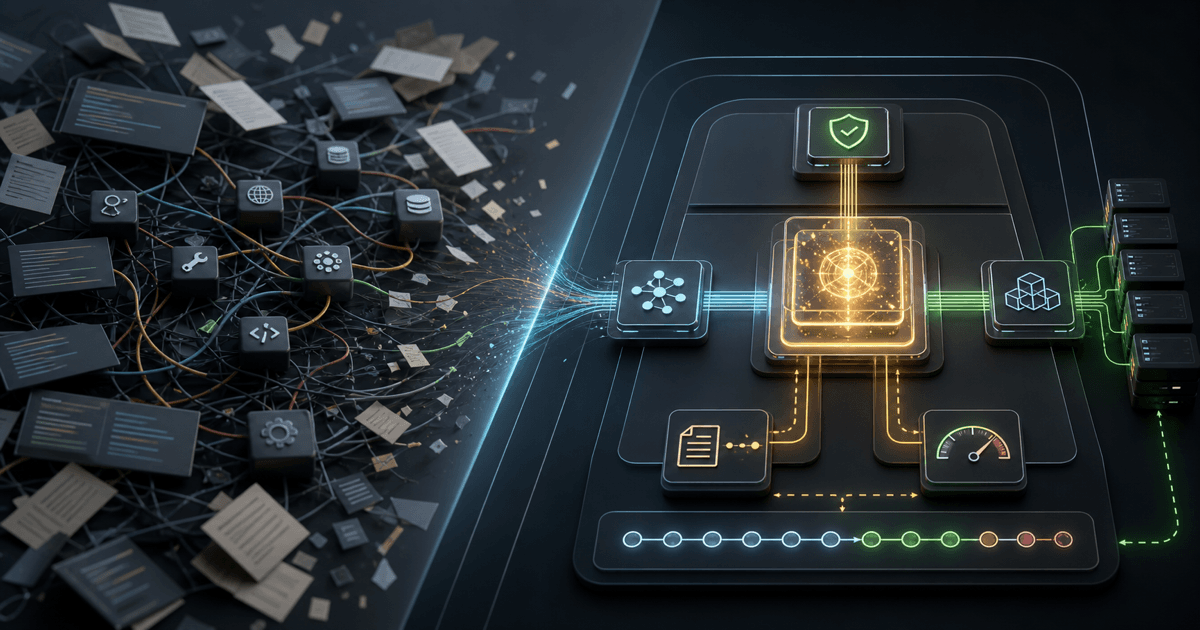
Agentic AI Systems Before and After ContextOS
A concrete before-and-after guide to agentic AI: what context, authority, evidence, replay, and release controls change in a refund run—and what they cannot guarantee.
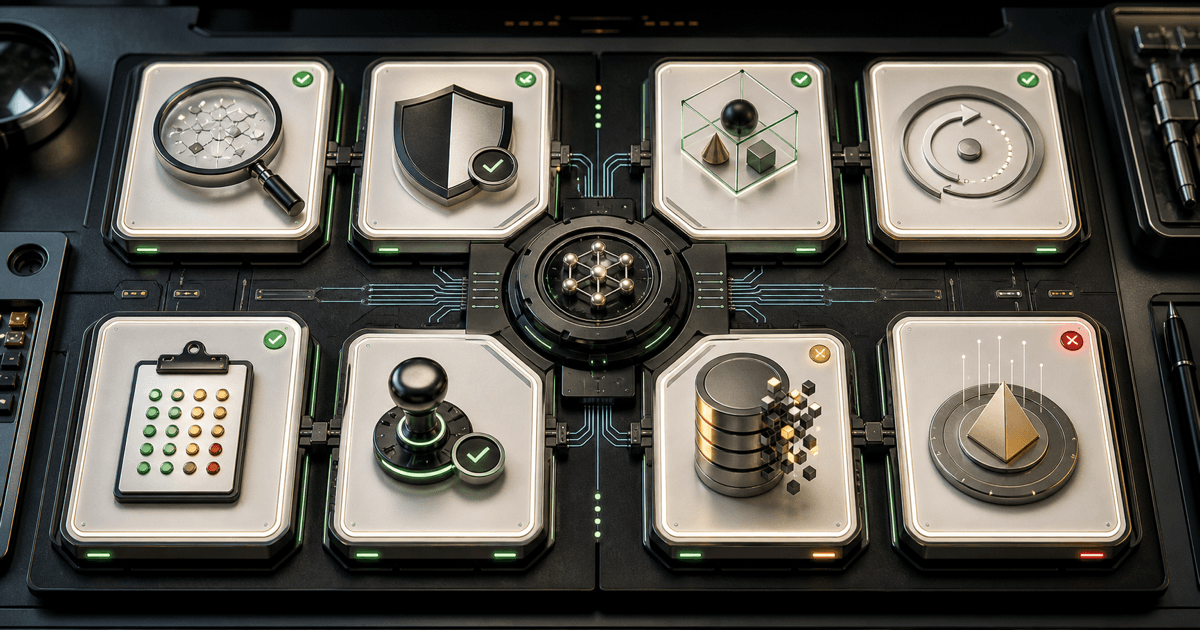
The Agent Harness Audit: A Production Readiness Checklist for Governed AI Agents
The original 44-control agent harness checklist, with a note on the current release-specific assurance method and evidence requirements.
AGENTS.md Done Right: The Navigation File That Actually Helps Coding Agents
How to write AGENTS.md as a short, scoped, testable navigation file for coding agents instead of a bloated prompt dump.
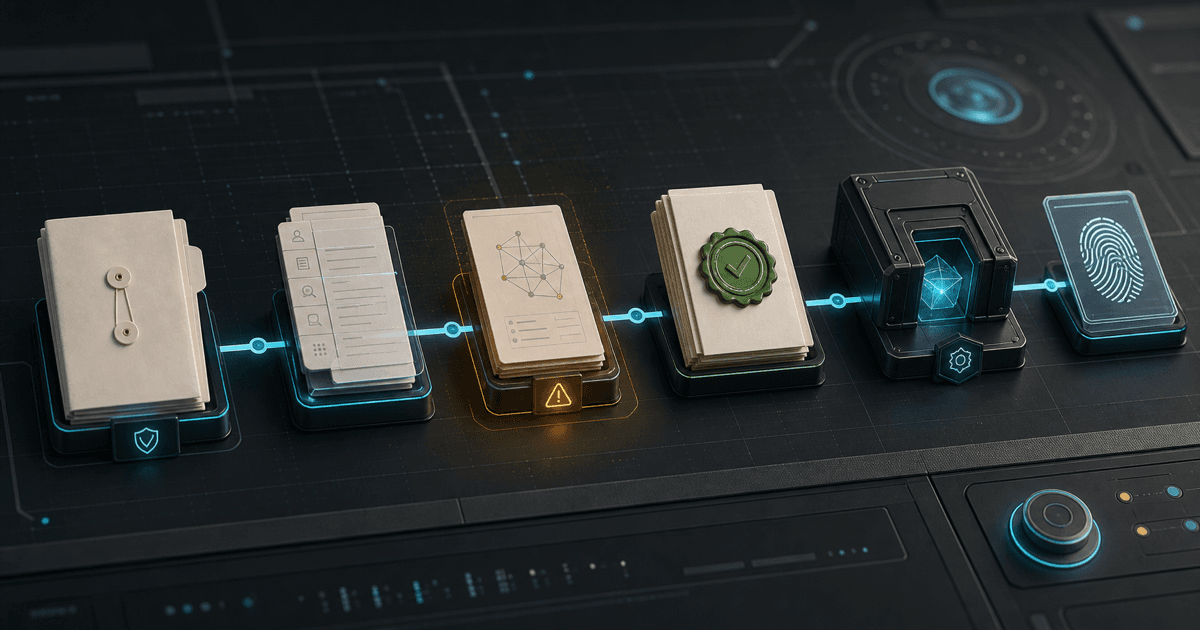
End-to-End Refund: Twelve Boundaries in a Governed Reference Workflow
Trace a refund through twelve governed boundaries: exact admission and approval, current controls, owned effects, shared budgets and honest replay limits.
Intelligence explosion research series
Five research-backed essays on AI automating AI research: feedback loops, evidence, bottlenecks, oversight, and who benefits.
When AI Improves the Process of Improvement
How automated AI research could create a recursive feedback loop, what existing experiments demonstrate, and how to test whether improvements truly compound.
What the Evidence Actually Shows About AI Automating AI Research
A source-backed examination of AI research automation: company disclosures, METR evaluations, developer productivity, PostTrainBench, and the gaps between capability and acceleration.
The Bottlenecks Between Recursive Improvement and an Intelligence Explosion
The compute, data, research-return, and verification constraints between AI self-improvement and an intelligence explosion, with a checked sensitivity analysis of the CASP model.
Can Oversight Keep Up With AI Research?
How to evaluate oversight as AI research accelerates: intervention timing, independent evidence, agent reliability, and controlled promotion of research outputs.
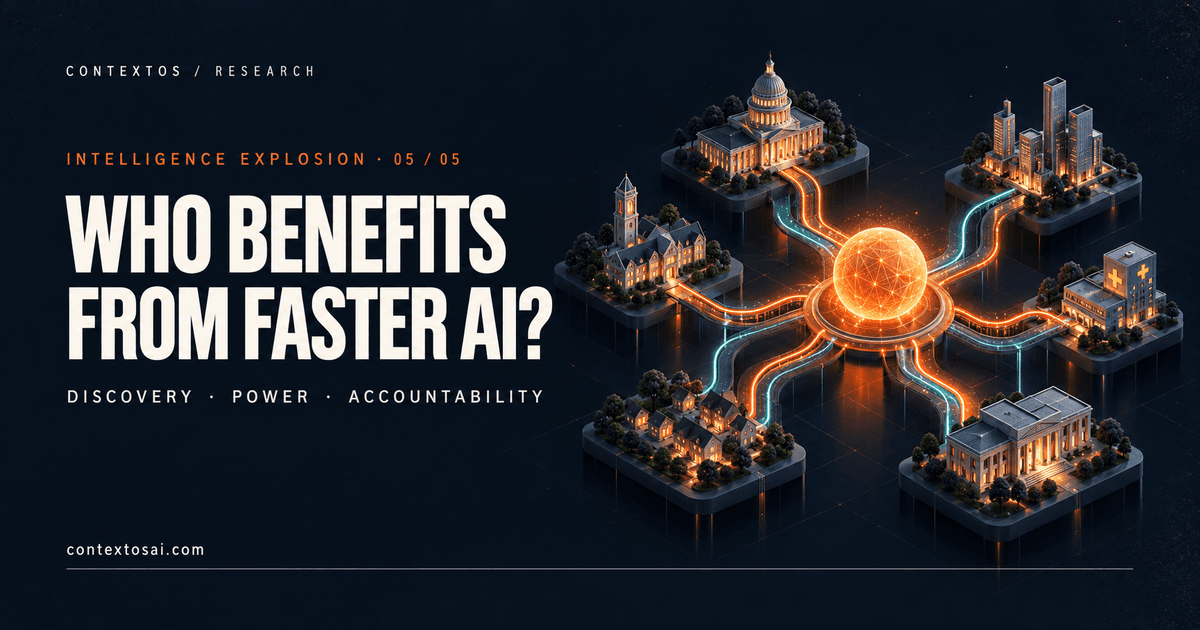
Who Benefits When the Machines Accelerate Discovery?
Who gains from faster AI discovery? A research-backed analysis of economic adoption, concentrated power, institutional capacity, and preparation across three scenarios.
OpenAI 2026 research series
A source-backed field guide to OpenAI's latest models, agents, developer platform, multimodal systems, science, safety, and infrastructure.
OpenAI After DevDay: Cheaper Intelligence, Persistent Agents, and the Cost of Accepted Work
A research assessment of GPT-6.1 Sol, Dots, and the DevDay platform changes: what the evidence supports, where costs move, and how to evaluate persistent work.
Welcome, Astra: What GPT-6 Changes About Intelligence at Work
A research analysis of OpenAI's GPT-6 Astra: benchmark evidence, scientific discovery, tool use, safety, economics, and an evaluation plan for real work.
OpenAI as of August 2026: A Full-Stack Research Map
A dated source-backed map of OpenAI's work across models, agents, multimodal products, science, safety, and compute—and how the pieces fit.
OpenAI’s July 29–August 7, 2026 Work: A Dated Field Report
A source-backed 10-day delta across Codex, plugins, API operations, model economics, security scanning, and the GPT-5.4 migration.
GPT-5.6 Field Guide as of August 1: Models, Tools and Runtime
A practical guide to GPT-5.6 Sol, Terra, and Luna—and the runtime features that matter more than a headline benchmark score.
ChatGPT Work, Codex, and OpenAI Presence: The Emerging Agent Stack
How ChatGPT Work, Codex, and OpenAI Presence form distinct layers of OpenAI's shift from helpful answers to governed, long-running work.
Inside OpenAI's 2026 Agent Platform: Responses, Tools, MCP, and Control
A builder's map of the Responses API, programmatic tools, multi-agent orchestration, MCP, identity, spend controls, and deployment boundaries.
OpenAI's Multimodal Stack: GPT-Live, GPT Image 2, and Sora 2
A product and developer guide to OpenAI's latest voice, image, and video systems—and the boundaries between interaction and media production.
OpenAI’s August 2026 Science Work: From Benchmarks to Verifiable Discovery
What OpenAI's August mathematics, scientific-computing, biology, and evaluation work says about AI as a research collaborator.
OpenAI's Frontier Stack: Long-Horizon Safety, Stargate, and Custom Silicon
Why OpenAI is scaling trajectory-level safeguards, cyber containment, data centers, and custom inference hardware alongside frontier models.
Anthropic 2026 research series
A source-backed field guide to Anthropic's latest Claude models, agent products, developer platform, research, safety, and company strategy.
Claude 5.5: Efficiency Gains Need a System-Level Evaluation
A research assessment of Opus 5.5 and Sonnet 5.5: workload economics, safeguard fallbacks, benchmark comparability, and a migration experiment.
Anthropic in 2026: A Full-Stack Map as of August 7
An August 2026 research snapshot of Anthropic's models, agents, platform, safety and compute, with an October review of the execution-contract implications.
Anthropic's August 4–7 Safety Releases: Controls Move Into the Runtime
A source-backed field report on Fable 5's biology safeguard update, enterprise inference hooks, skill and plugin scanning, Claude Code security, and Anthropic's global policy expansion.
Claude 5 Field Guide as of August 4: Fable, Mythos, Opus, Sonnet, and Haiku
A dated August 4 guide to Claude capability, pricing, effort and safeguards, with current contract requirements for model routes and deployment evidence.
From Claude Code to Cowork and Claude Tag: Anthropic's Agent Product Stack
How Claude evolved from chat to coding, cross-app work, and a persistent team agent—and what identity, memory, permissions, and oversight each surface requires.
Inside Anthropic's 2026 Claude Platform: Managed Agents, Tools, Memory, and MCP
A builder's map of the Messages API, Agent SDK, Managed Agents, programmatic tools, MCP, Skills, memory, task budgets, and enterprise controls.
Anthropic's 2026 Safety Stack: Alignment, Safeguards, Containment, and Disclosure
A critical map of Anthropic's latest safety work across constitutional training, capability evaluations, classifiers, model routing, containment, trusted access, and incident disclosure.
Anthropic Research Through August 4: Model Minds, Scientific Agents, Robotics, and the Economy
A source-backed review of Anthropic's newest work in interpretability, alignment, cryptanalysis, biology, robotics, autonomous systems, values, and economic measurement.
Anthropic's 2026 Business Strategy: Compute, Enterprise Distribution, and Governance
How Anthropic is financing multi-cloud compute, distributing Claude through enterprises and partners, and using safety governance as both mission and market position.
Meta Muse research series
Practitioner research on Meta's Muse personal agent, model family, coding harness, security architecture, and the future of personal-agent systems.
Muse for Small Business: The Approval Is Part of the Product
A deeper assessment of Meta's September 29 Muse expansion: connector scope, meaningful approvals, cross-app recovery, and the economics of owner attention.
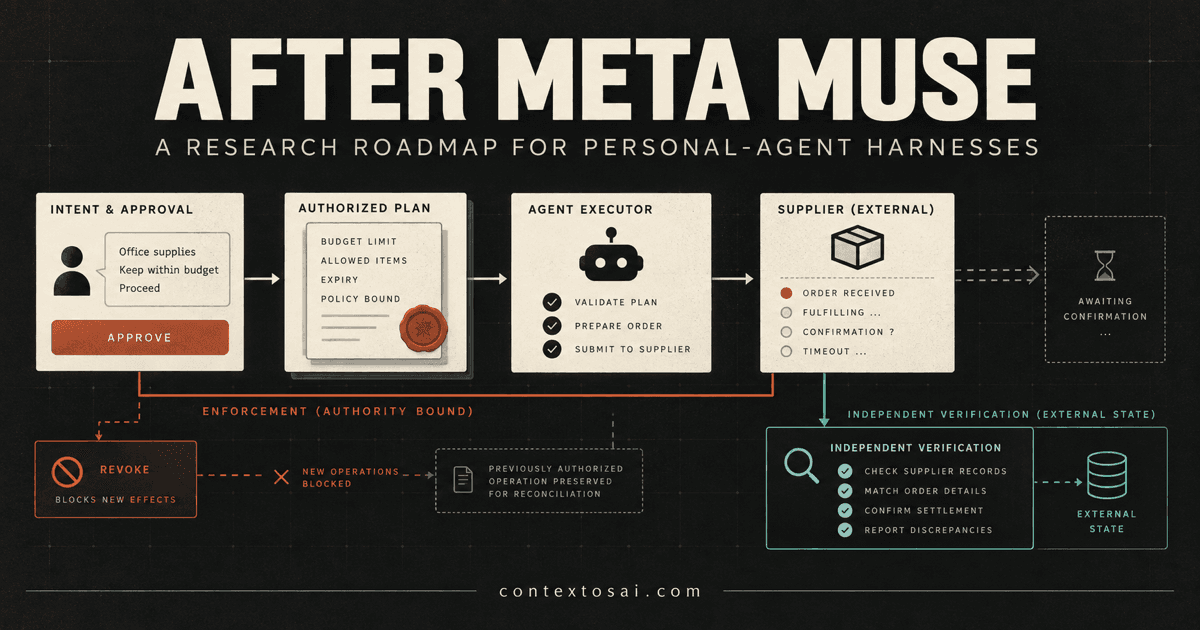
After Meta Muse: A Research and Publishing Roadmap for Personal-Agent Harnesses
A falsifiable research roadmap for personal-agent harnesses: authorization binding, ambiguous-effect recovery, credential misuse, governed memory, counterparty permission, interfaces, deployment, and reasoning architecture.
Muse Spark, Muse Code, and Glimmer: Meta’s Full Agent Stack
A practitioner map of Meta’s 2026 agent stack: Muse Spark 1.3, Muse Code’s event-sourced multi-agent harness, Glimmer’s local open weights, Model API, voice, avatars, connectors, and AI-glasses distribution.
Meta Muse Under the Hood: A Harness Engineering and Security Review
A practitioner’s review of Meta Muse’s personal-agent architecture: Secure VM isolation, Sentinel authorization, credential surrogation, connectors, browser controls, memory, prompt-injection defenses, and the tests still missing.
Google DeepMind research series
Research assessments of Gemini, persistent context, private computation, and the evidence needed to adopt frontier capabilities.
DeepSeek research series
Research on DeepSeek models, inference economics, model migration, and the architecture and security of its agent harness.
DeepSeek V4.1 Flash: Cache Economics Meet Model Migration Risk
A research assessment of DeepSeek V4.1 Flash's asymmetric architecture, cache claims, native vision, and conflicting V4 Pro migration notices.
DeepSeek Harness: Everything Is a Plugin—Except Trust
A source-code critique of DeepSeek Harness and Cordis: why an everything-is-a-plugin runtime matters, where reversibility stops, and why self-evolution still needs an immutable control plane.
Alibaba Qwen research series
Critical assessments of Qwen research, mobile agents, model–harness co-evolution, and evidence for transferable improvement.
xAI / SpaceXAI research series
Research assessments of Grok models and shared agents, with attention to harness specialization, memory, identity, and team outcomes.
Mistral research series
Research on Mistral's agent products, editable knowledge, generated artifacts, and the practical evidence behind dependable work.
Microsoft AI research series
Research assessments of MAI models, multimodal systems, latency, and the boundaries between model capability and authorized action.
AI Agents as Insider Risks: What Nadella's Trust Architecture Requires
A research-backed analysis of Satya Nadella's AI insider-risk argument: external authorization, reasoning transparency, agent-to-agent provenance, independent evidence, and the limits of emergency stops.
Microsoft's New MAI Voice Stack: A Partial Transcript Is Not a Final Instruction
A research assessment of MAI-Transcribe-2-Streaming and MAI-Voice-2.1: latency, revisable speech, speculative tool use, and a voice-agent evaluation plan.
Amazon research series
Research on Amazon's AI platforms and agent infrastructure, including deployment boundaries, identity, recovery, and evaluation.
NVIDIA research series
Research assessments of NVIDIA's agent infrastructure, open models, runtime enforcement, and evidence for containment and control.
Cohere research series
Research on enterprise retrieval, multilingual models, private deployment, and the evidence pipeline behind trustworthy agent answers.
AI literacy series
Mental models for business leaders, domain experts, and operators learning how to think about real agentic systems.
The AI Agent Accountability Matrix: Who Owns a Failed Decision?
AI agent failures cross models, tools, data, approvals, and operations. Use this accountability matrix to assign owners before the incident.
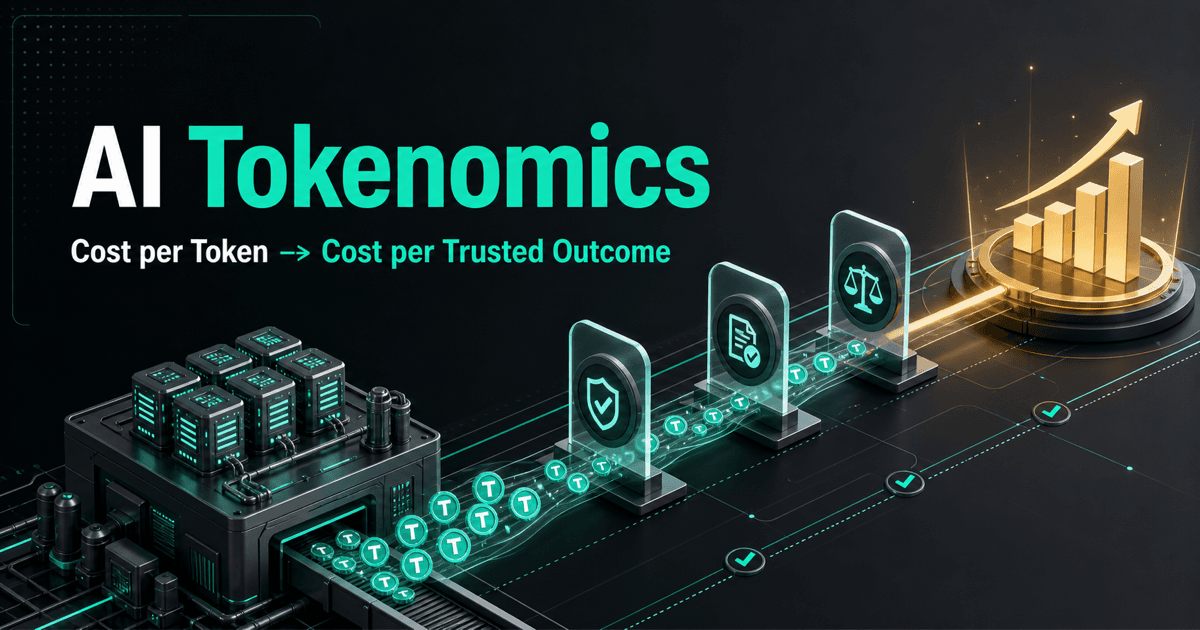
AI Tokenomics: From Cost per Token to Cost per Trusted Outcome
AI tokenomics connects cost per token, agentic cost multipliers, routing, evals, governance, and cost per trusted outcome.
The Autonomy Budget: How Enterprises Should Decide What AI Agents Are Allowed to Do
A practical governance model for granting AI agents bounded authority based on risk, evidence, policy confidence, evals, and approval.
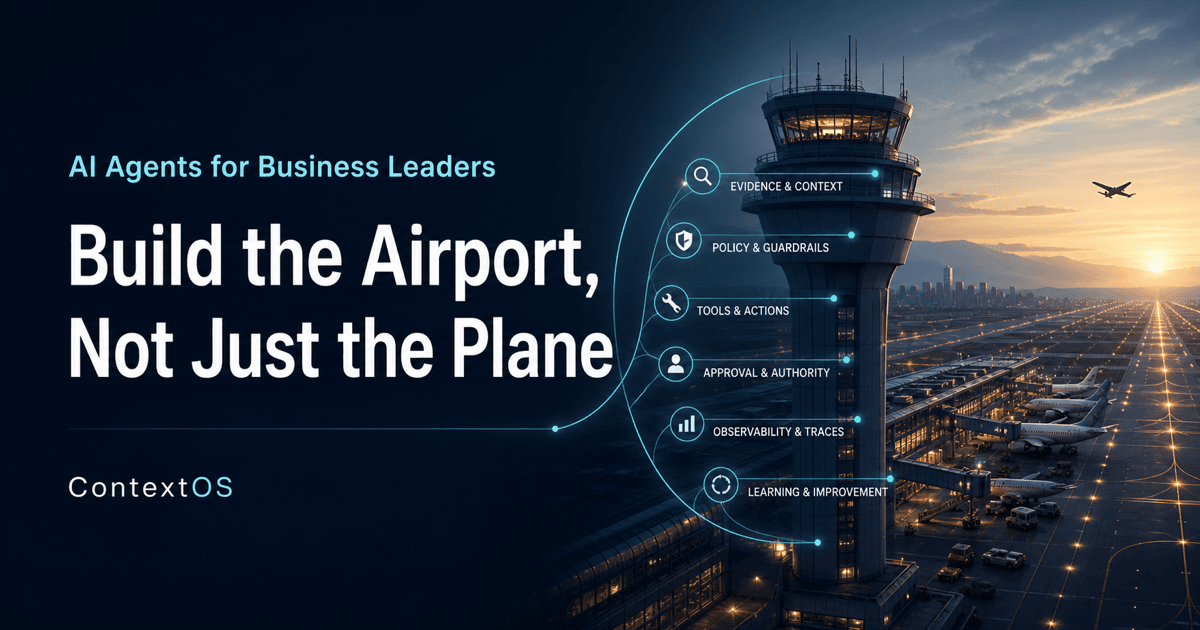
AI Agents for Business Leaders: Build the Airport, Not Just the Plane
A practical executive playbook for agentic AI: define the work, evidence, authority, scorecards, approvals, security, observability, and improvement loop.
Before Your Team Asks for an AI Agent, Map the Real Work
A practical guide for business teams mapping real work before building agents: actors, evidence, tools, decisions, risks, exceptions, and feedback loops.

Trusting AI at Work: Approvals, Boundaries, and Receipts
A plain-English guide to agent trust: what AI can read, draft, send, change, approve, and how receipts make decisions accountable.
How to Judge AI Work: Scorecards, Not Vibes
A practical guide for business teams evaluating AI agents with scorecards, examples, traces, human corrections, and launch gates instead of demos and vibes.
AI Does Not Launch Once: Feedback Loops After Go-Live
A plain-English guide to operating agents after launch: corrections, recurring failures, proposal queues, rollout, rollback, and review.
AI agents in the real world
Research-backed field guides to the delegation, verification, permission, memory, and exception failures hidden by capability demos.
AI Agents in the Real World: Five Problems Capability Demos Hide
A research-backed map of the delegation, review, permission, memory, and exception failures that decide whether AI agents help or harm.
The Delegation Contract: How to Let an AI Agent Act Without Losing Control
Replace vague prompts and approval fatigue with a bounded contract for agent goals, data, authority, limits, changes, and receipts.

The AI Agent Review Tax: When Automation Creates Verification Debt
Measure the review, repair, and integration work behind agent output—and design verification that catches errors without erasing the gain.
The Permission–Data Collision: Why Better-Connected Agents Create New Exposure
Connected agents compose identity, data, tools, and untrusted instructions. Contain the resulting paths with purpose-bound, short-lived authority.
Agent Memory Needs a Right to Correct and Forget
Persistent agents need memory provenance, promotion review, expiry, correction, deletion propagation, and visible reasons for every recalled fact.

The AI Agent Exception Economy: Why the Long Tail Decides ROI
Agent ROI is won or lost in ambiguous, failed, and high-risk cases. Price the exception queue before automating the happy path.
Product management series
How product managers shape real agentic systems with intents, authority, scorecards, rollout gates, and improvement loops.

Product Managers: How to Think About and Build Complex Agentic Systems
A practical PM guide to building agentic systems with workflow maps, intents, context packs, tools, records, evals, and rollout gates.
From PRD to Intent Catalog: The PM Spec for Agentic Products
How PMs turn vague agent ideas into intent catalogs, task templates, authority models, DecisionRecords, and launch criteria.
The Control Tower Pattern: How PMs Should Design Multi-Agent Products
A PM guide to splitting multi-agent systems into specialist lanes while keeping orchestration governed and inspectable.
Scorecards Before Screens: Evals and Launch Gates for PMs Building Agents
A PM guide to defining agent quality with datasets, trace reviews, scorecards, release gates, and business metrics before building the agent UI.
Trust Is a Product Surface: Approval Modes and Human Control for Agentic Products
How PMs should design trust for real agentic products: approval modes, human roles, evidence snapshots, DecisionRecords, policy gates, and graceful failure.
Operating Agent Products: Feedback, Rollout, and the Improvement Loop
A PM operating model for shipped agents: trace review, corrections, proposal queues, scorecards, rollout, and rollback.
Agent engineering series
How strong AI engineers build agents with datasets, scorecards, traces, and harness improvement loops.
Jev and System One Models: What Changes When AI Returns Decisions?
A critical engineering review of Jev and System One models: typed probabilistic decisions, calibration, abstention, latency, schema design, governed execution, and the evidence required before automation.
Harness Engineering on September 26, 2026: From Agent Loops to Personal-Agent Operating Systems
A dated practitioner field report on harness engineering through September 26, 2026: Meta Muse, JAZ’s minimalist harness, event-sourced coding agents, agentic-commerce access disputes, embodied agents, and the next research questions.
Harness Engineering: The September 2026 Practitioner’s Field Guide
A primary-source review through September 15, 2026: controlled harness comparisons, evolving safety defenses, context inheritance, managed runtimes, implementation availability, and the next experiments.
Subagent Context Inheritance and Independent Review
A practitioner’s design and evaluation guide for forked and isolated subagents: context selection, reviewer independence, cache economics, information boundaries, and a reproducible experiment plan.
Managed Agent Harnesses: The Control Boundaries You Still Own
A research-backed operating guide to managed agent harnesses: durable sessions, caller credentials, authorization, interrupted effects, version drift, migration tests, and application-owned evidence.
Harness Engineering in September 2026: Measurement, Evolution, and Operational Reality
A critical research map of harness engineering through September 10, 2026: new benchmarks, automatic optimization, reusable tools, long-running agents, public implementations, and unresolved questions.
FrontierHarness Eval: Auditing the 17.5× Cost Gap
A reproducible audit of FrontierHarness Eval: cost per success versus median cost, paired task outcomes, small-sample uncertainty, and what to measure before choosing a production harness.
Self-Improving Harnesses: HarnessDev, HoH, and the Promotion Boundary
A practitioner analysis of HarnessDev, Harness-of-Harness, HarnessOpt-Bench, and HarnessCompass, with concrete boundaries for evaluation, durable state, recovery, and harness promotion.
A Research and Publishing Roadmap for Harness Engineering
A prioritized roadmap for original harness engineering research and technical publishing, with experiments, baselines, artifacts, decision gates, and falsifiable directions through 2027.
Agent Harness Benchmark: An Experimental Protocol Beyond Model Scores
A proposed benchmark protocol for isolating harness effects, injecting operational faults, measuring repeated reliability, and publishing auditable scorecards.
The Harness Engineering Roadmap for 2026–27: From Agent Loops to Proof-Carrying Runtimes
A source-grounded 18-month roadmap for harness engineering across release manifests, portable trajectories, lifecycle security, skill evaluation, delegated authority, recovery, economics, and governed adaptation.
Skill Lift: How to Gate Agent Skills With Paired Live Evals
An implementation guide to evaluating agent skills as executable release artifacts using paired baselines, Skill Lift, ATIF trajectories, security checks, domain graders, and CI gates.
Harness Engineering in August 2026: The Control Plane Gets Measured
A source-backed state of the field on harness engineering: what shipped, what the newest research measured, what practitioners are debating, and the roadmap from agent loops to proof-carrying runtimes.
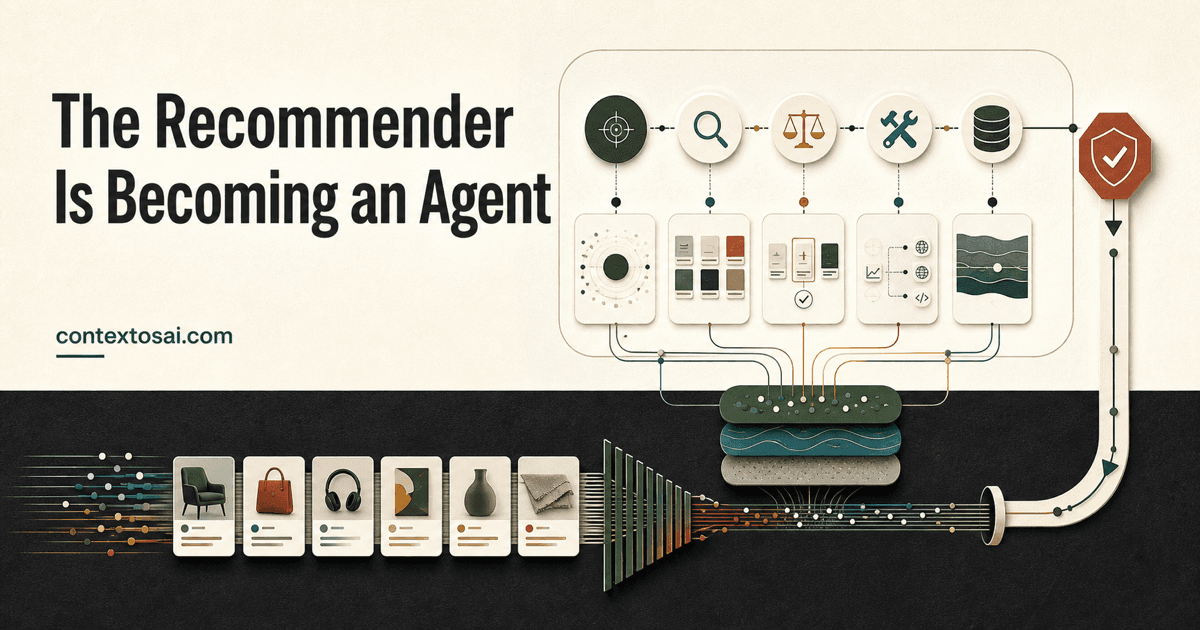
Agentic Recommender Systems: How Harness Engineering Changes Personalization
Recommenders are evolving from rankers into tool-using agents. Here is the hybrid architecture, evaluation harness, and rollout plan needed to build them safely.
Prompt Engineering and LLM Latency: The 10-Day Field Report
A source-backed field report on the last ten days of prompt engineering and LLM latency: OpenAI Ultrafast and long-context Fast mode, vLLM and SGLang releases, new inference research, production best practices, and the roadmap ahead.
Production Prompt Engineering in 2026: From Instructions to an Evaluated Contract
A deep production guide to prompt engineering: lean instruction design, stable cacheable prefixes, tool and output contracts, reasoning budgets, datasets, robustness tests, versioning, rollout gates, and a 90-day implementation roadmap.
LLM Latency Engineering: TTFT, Caching, Routing, and the Road to Real-Time Agents
A production guide to LLM latency optimization across queueing, prefill, decode, output budgets, prompt caching, request topology, model and service-tier routing, speculative decoding, disaggregated serving, observability, and rollout.
Harness Engineering: The Runtime Became the Product
A source-backed 10-day field report on Harness-IF, A2E, Thea, Microsoft Copilot Studio, and Claude Code—and what their combined evidence changes for agent engineering.
Your Agent Followed the Rule—or Did It? Harness-IF and A2E Change Agent Evaluation
A deep implementation guide to rule-level, surface-aware, trajectory-based agent evaluation using the new Harness-IF and A2E research.
The Production Harness Roadmap: Lessons from Claude Code, Copilot Studio, and Thea
A concrete 90-day roadmap for building a governed agent harness, derived from the latest Claude Code, Copilot Studio, Thea, Harness-IF, and A2E evidence.
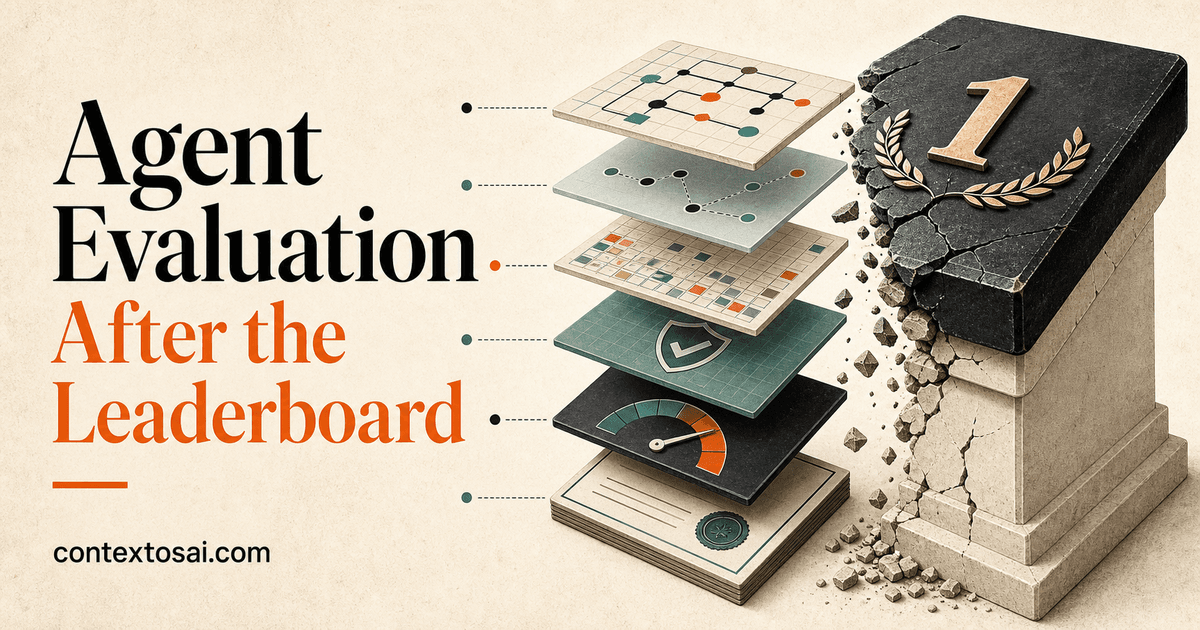
Agent Evaluation After the Leaderboard: The KDD 2026 Production Assurance Playbook
KDD 2026 shows why agent evaluation must cover protocols, trajectories, external state, evaluator operating profiles, causal rollout, and drift.
Multi-Agent Consensus Is Not Correctness: How Debate Manufactures Confidence
Why agent agreement can hide correlated error—and how to build governed deliberation with effective agent count, independent verification, and release gates.
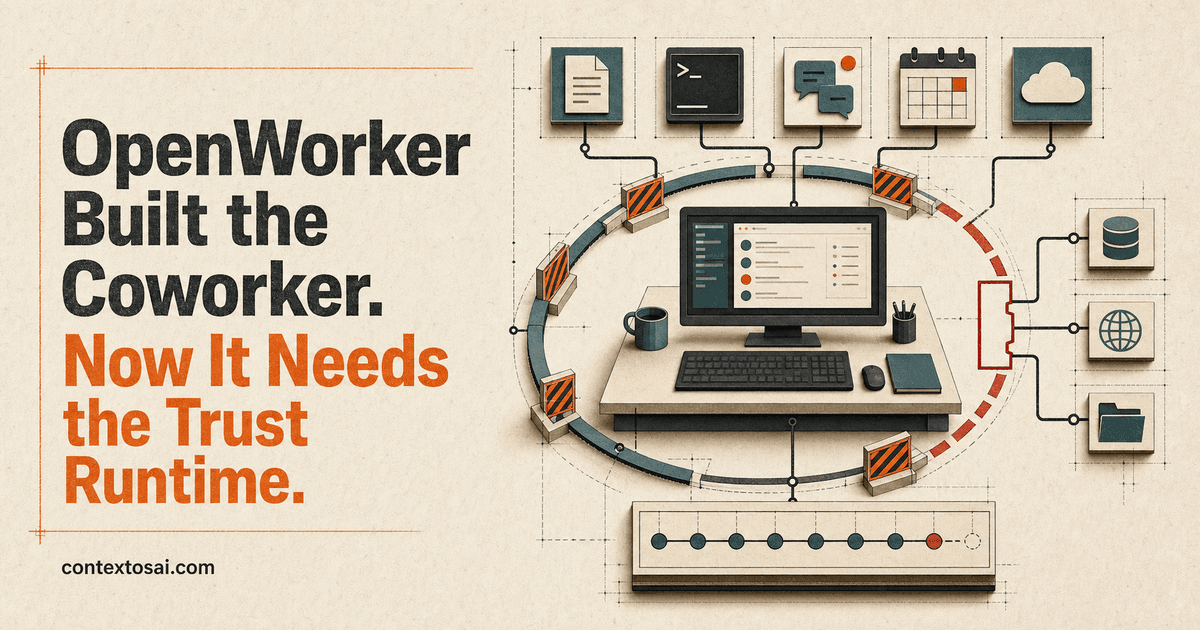
OpenWorker Review: A Real Desktop Coworker With an Unfinished Trust Runtime
OpenWorker already owns the agent loop, approvals, connectors, and desktop UX. Its next leap is containment, durable effects, replay, budgets, and evals.
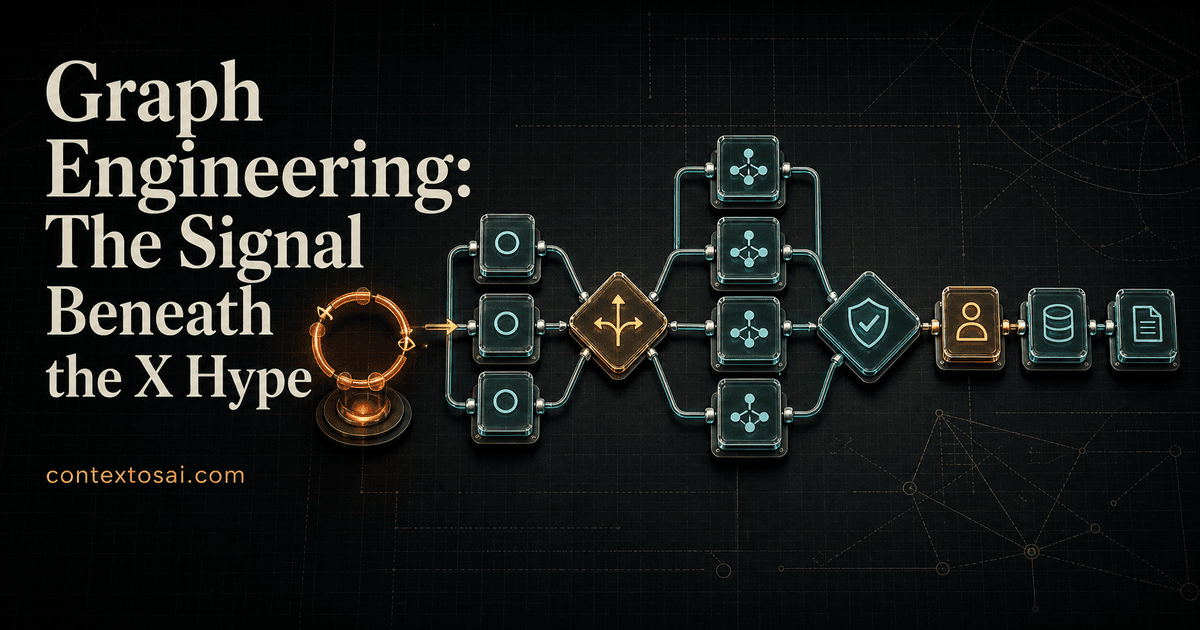
Graph Engineering for AI Agents: The X Hype Cycle and a Production Playbook
Separate graph-engineering signal from X hype, then compile agent workflows with governed transitions, graph invariants, durable effects, and exact replay.
Reverse Prompting: Work Backward from the Output, Then Prove the Prompt
Reverse prompting is useful when it turns a desired output into a candidate instruction contract and validates that contract forward. Here is the research, the workflow, the failure modes, and the security boundary.
Passive Awareness Is the Missing Multi-Agent Primitive—But It Needs a Control Plane
AgentRadio shows that agents improve when discoveries can cross lane boundaries during execution. Production teams should keep the asynchronous channel, then add typed evidence, bounded delivery, authority isolation, and replay.
Your Agent Benchmark Is Measuring the Harness
Two new evaluation systems separate benchmark, harness, model, and environment. Their results show why one leaderboard score cannot tell you which agent to ship.
Multi-Agent Systems Need Replay Before More Agents
Multi-agent systems multiply coordination, cost, and causal ambiguity. Prove one agent is replayable before adding lanes and handoffs.
How to Develop an Agent with an Agent Harness, End to End
An end-to-end field guide for building agents as measurable harnesses: context, planning, tools, records, evals, rollout, and learning.
How Great AI Engineers Build Agents: Datasets, Scores, and Harnesses That Improve
Why strong AI engineers build datasets, scorecards, traces, and improvement loops instead of treating agents as prompts plus tools.
Dataset-First Agent Engineering: The Golden Sets Behind Reliable Agents
A practical guide to golden sets, task distributions, corrected runs, held-out releases, and production slices for agent engineering.
Scorecards Over Vibes: The Five Metrics That Keep Agents Honest
The five metrics that keep agents honest: policy, utility, latency, safety, and economics.
Trace Review Is the Agent Debugger: Grade the Path, Not Just the Answer
How trace review grades the path, not just the answer, by inspecting context, plans, tools, guardrails, critic verdicts, and corrections.
Harness Candidates Are Model Checkpoints: How to Improve Agents Without Silent Mutation
How to treat every prompt, retrieval, tool, policy, and evaluator change as a scored, reviewed, reversible harness candidate.
Agent security engineering series
Threat-model, contain, authorize, and red-team tool-using agents with deterministic controls around the model.
HarnessRisk in Practice: Turn the Agent Lifecycle Into a Security Test Matrix
A deep implementation guide to lifecycle security testing for agent harnesses: configuration, extensions, runtime, persistence, actions, recovery, evidence oracles, and release gates.
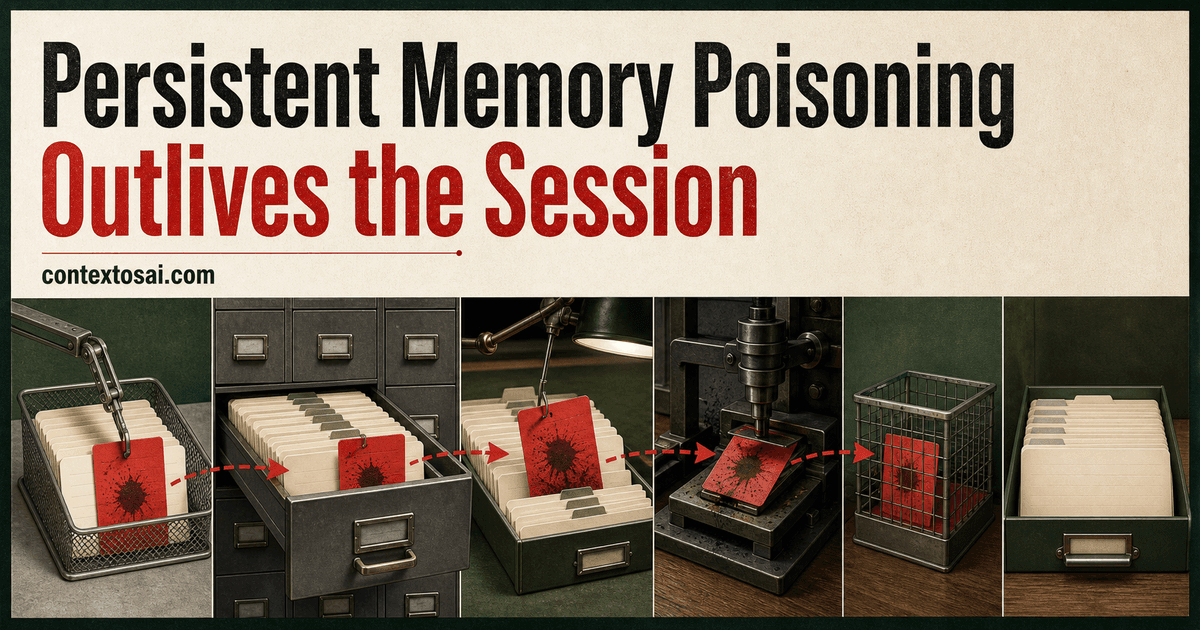
Persistent Memory Poisoning: The Attack That Outlives the Session
A production security architecture for attributable, revalidated, authority-bounded, traceable, and selectively reversible agent memory.
The AI Agent Access Graph: What CISOs Need to See
AI agents compose identities, tools, data, and delegated authority. Build the access graph, drift alerts, and revocation controls your CISO needs.
Threat-Model an AI Agent: Sources, Sinks, Authority, and Blast Radius
A practical AI agent threat-modeling method that maps untrusted sources to dangerous sinks, then constrains identity, authority, data, and blast radius at deterministic runtime boundaries.
Prompt Injection Is a Boundary Problem, Not a Prompt Problem
Why prompt defenses need independent authority, data-flow and effect boundaries, with explicit enforcement assumptions and evidence limits.
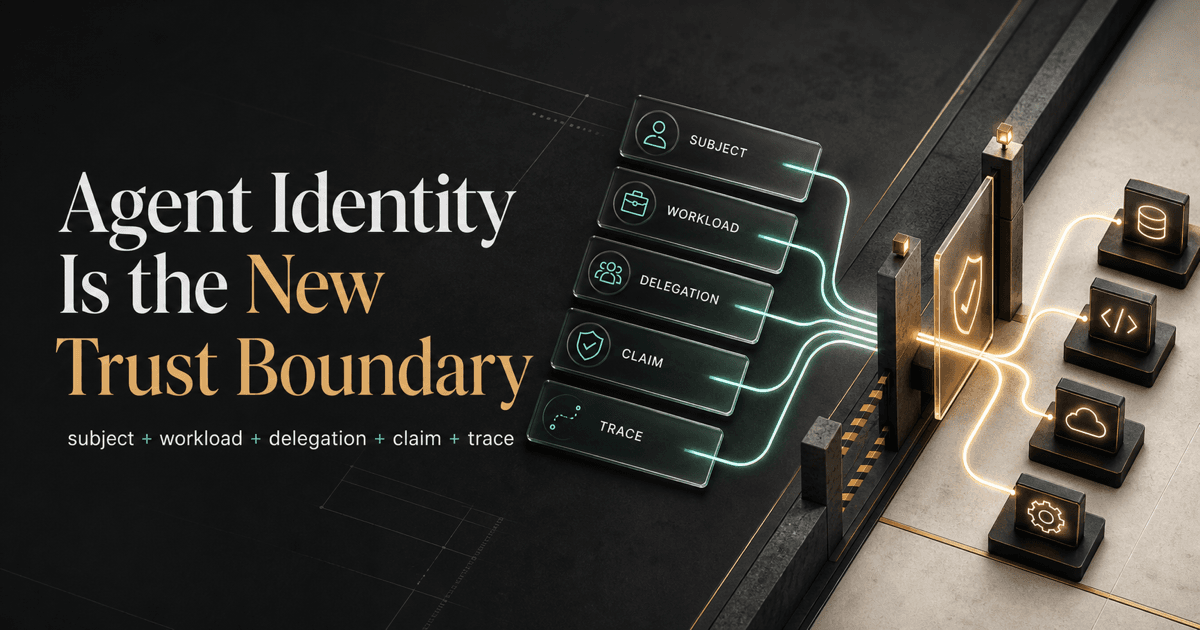
Agent Identity Is the New Trust Boundary
A practical model for separating agent identity, workload proof, user delegation, scoped authority, and audit across MCP and A2A.

Secure the MCP and Tool Supply Chain: Trust Must Be Continuous
MCP tool descriptions enter the agent's decision loop. Use this attack trace, control scorecard, and policy to stop metadata from becoming authority.
Build the Tool Gateway: The Boundary That Actually Stops a Bad Action
Build a governed tool boundary with canonical envelopes, exact authorization and approval, current enforcement observations and durable effect handling.

Approval Gates in Code: The Destructive-Mode Handshake
Runnable exact-proposal approval checks: complete action digests, stored expiry, entitled quorum and controlled single-operation redemption.
Red-Team Agent Hijacking: Build a Security Eval Gate for Repeat Attacks
A practical agent-hijacking evaluation harness: scenario design, adaptive and repeated attempts, path-aware metrics, deterministic release gates, and production replay.
Architecture & foundations
The five planes, why prompts alone do not scale, what context engineering means.
Proof-Carrying Agent Runtime: A Bounded Architecture and Specification
A research-grounded runtime proposal with explicit proof obligations, an effect-boundary state machine, a conditional safety argument, and failure tests.
Proof-Carrying Context: Why AI Agents Need More Than a Context Window
A research-grounded revision of context engineering: from relevant tokens to a replayable view of evidence, conflicts, omissions, and decision sufficiency.

The Glass Runtime: Keeping Humans Close to the Material in an Agentic World
As AI makes output abundant, the central design challenge shifts to preserving human judgment, understanding, intervention, and agency. The Glass Runtime is an architecture for progressive autonomy, inspectable decisions, material-native interaction, reversibility, governed authority, and accountable learning.
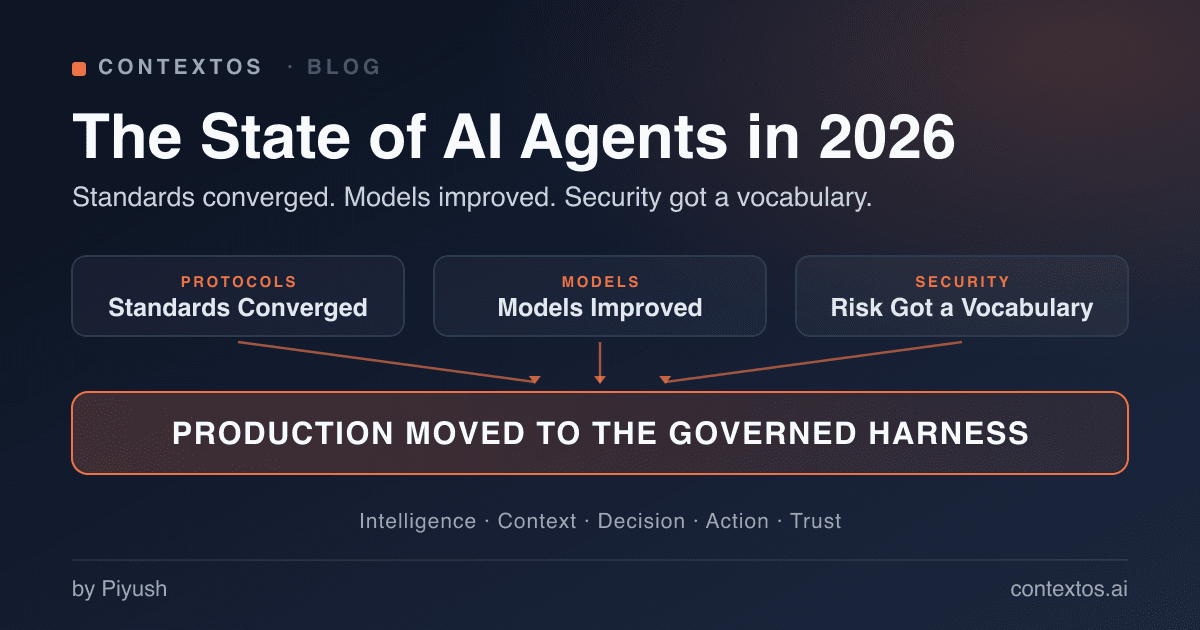
The State of AI Agents in 2026: Standards Converged, Models Improved, Production Moved to the Harness
A mid-2026 review of agentic AI: MCP, A2A and AP2 converged as standards and models got more reliable — yet the bottleneck moved to the governed agent harness.
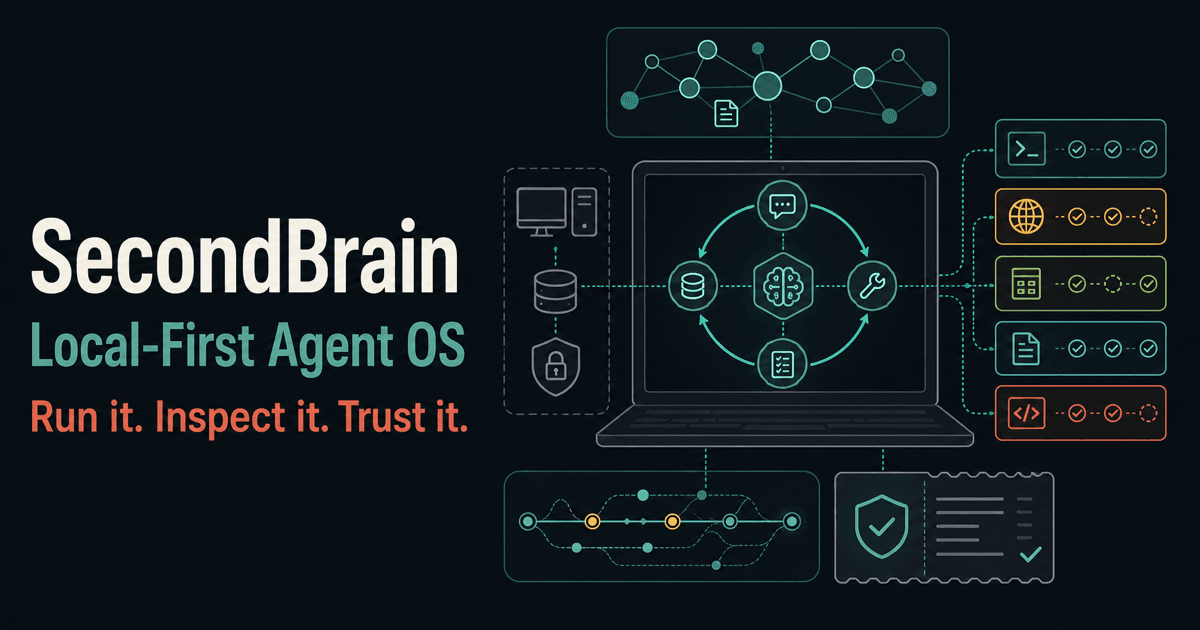
SecondBrain: A Local-First Agent Operating System to Run, Inspect, and Evaluate
SecondBrain is an open-source, local-first agent OS: cognition, memory, governed tools, durable sessions, workflows, and bounded self-improvement in one inspectable runtime you run on your own machine. Here is how it works and how to run it.
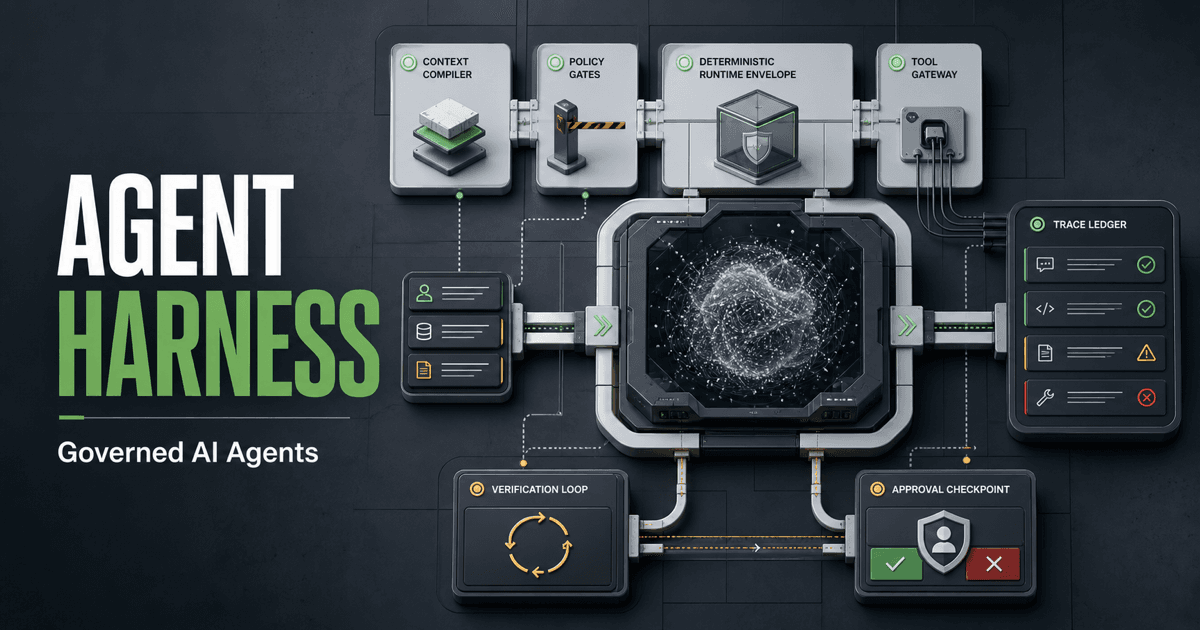
Agent Harness: An Architectural Framework for Production AI Agents
A whitepaper on typed contracts, policy gates, traces, verification loops, and release control for production AI agents.
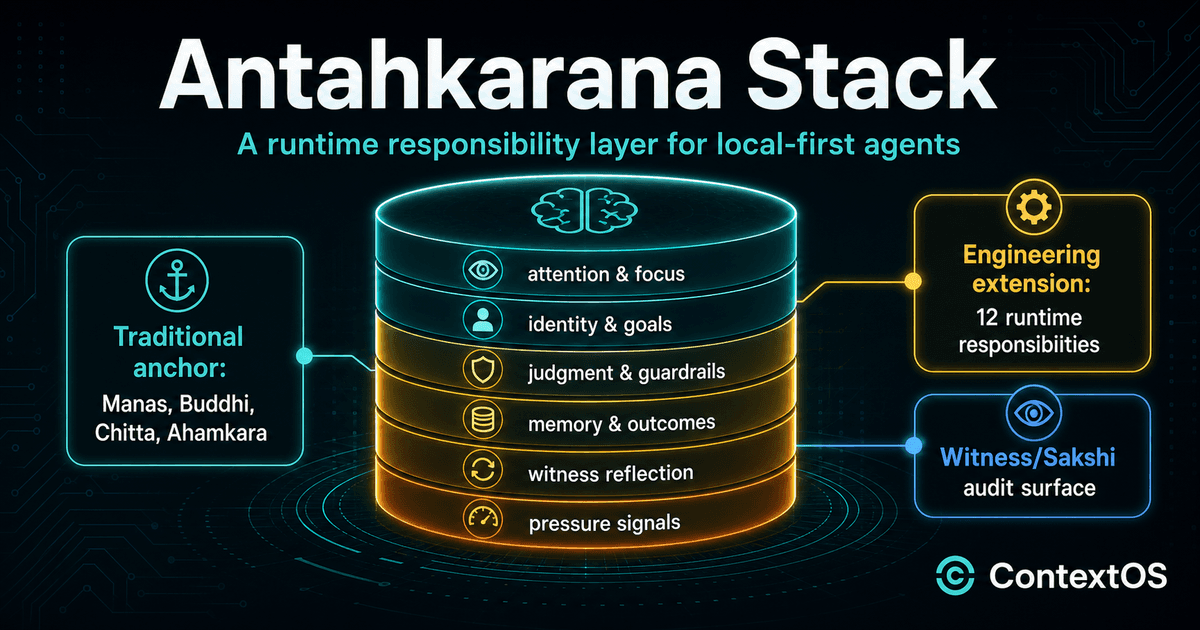
Antahkarana Stack: A Cognitive Layer for Local-First Agents
A builder-facing explanation of Antahkarana as an engineering layer inspired by the inner faculties of Manas, Buddhi, Chitta, and Ahamkara.
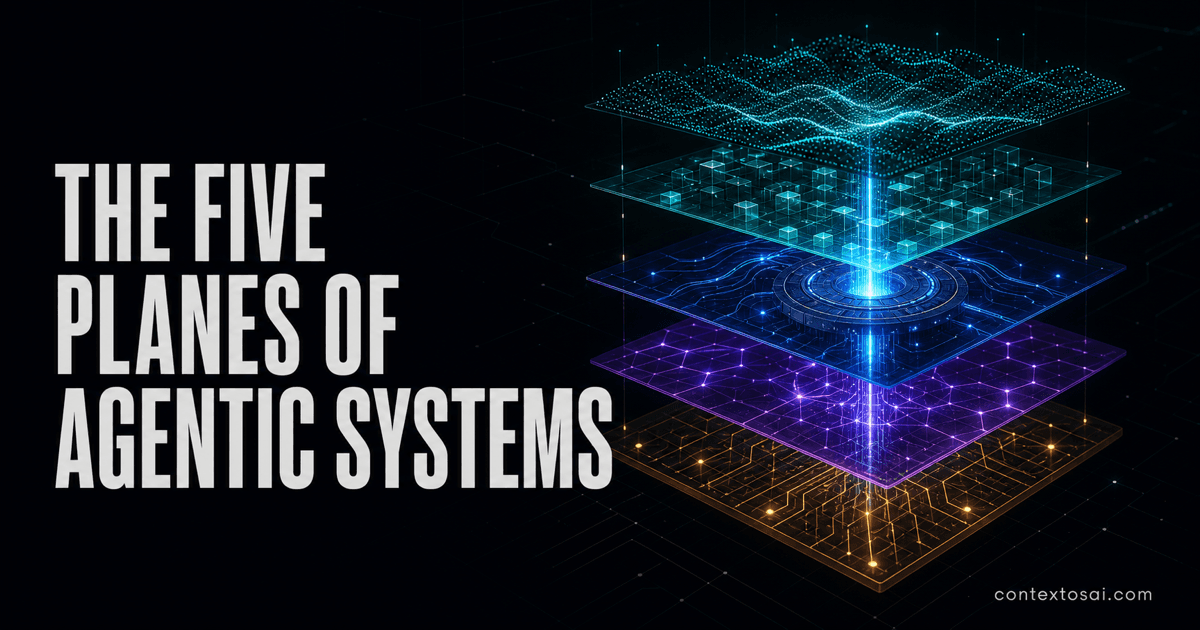
The Five Planes of Agentic Operating Systems
A working decomposition for production agent systems: Intelligence, Context, Decision, Action, and Trust.

ContextOS: A Research-Grounded Architecture for Governed Agent Runtimes
A research-grounded framing of ContextOS as the portable decision-control and evidence architecture around governed agent runtimes.
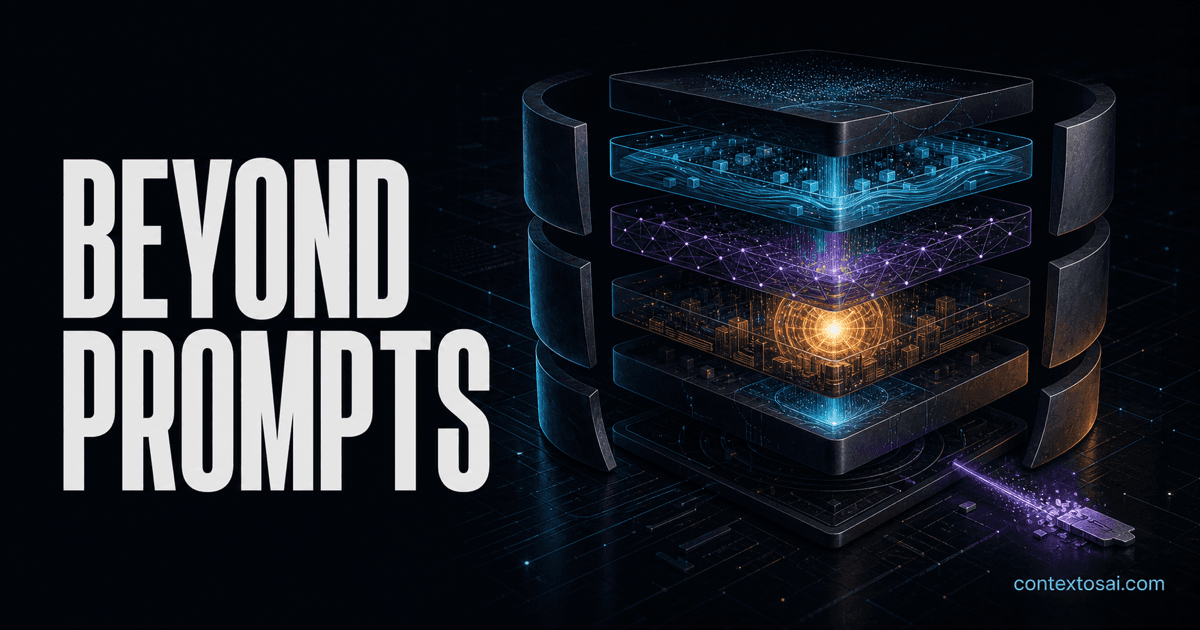
Beyond Prompts: The Architecture of Trust for Agentic AI
Building a governed decision runtime across Intelligence, Context, Decision, Action, and Trust — with evaluator scoring, approval tiers, and replay-bound audit.
Context Engineering in Production
How owned sources, freshness, evidence admission, context budgets and replay make context failures diagnosable within a governed execution contract.
Context Packs in Practice: From Spec to Run
A practical walkthrough of Context Packs: buckets, policy bundles, evaluation gates, lifecycle, and the compile pipeline.
Building the runtime
Compile, gateway, Critic, evaluators, failure handling — the per-request pipeline.
Agentic Inference: A Practical Guide to KV Cache, Scheduling, and Throughput
Why tool-using agents turn inference into a stateful memory-scheduling problem, and how to measure, design, benchmark, and roll out a better serving path.
Build the Context Pack Compiler: Eight Stages, One Typed Reference
A source-backed walkthrough of the eight deterministic Context Pack compiler stages, visible failures, evidence gates and execution boundaries.
AI Gateway and LLM Router: Model Choice Is a Runtime Decision
How an AI Gateway and LLM Router make model choice policy-bound, budgeted, observable, and replayable across production agent workflows.
MCP Adapters in Production: Enforce the Manifest at Every Boundary
How MCP 2026-07-28 fits behind a production adapter manifest with native action risk, auth, idempotency, evidence, and replay.
The Critic: Verify, Score, Consolidate with Explicit Evidence
How to separate Critic judgment from deterministic admission, evidence-scoped scoring and honest final records, using the tested reference.
Wiring the Five Evaluators: Policy, Utility, Latency, Safety, Cost
A design guide to trustworthy policy, utility, latency, safety and cost evidence, independent release assessment and current deployment controls.
Failure Playbooks: The Typed Verdict Map
Map provider errors to honest effect states, owned reconciliation, bounded eligible retry and separately governed compensation.
Trust, audit, governance
Current authority, exact action approvals, active containment, durable effects, shared limits, and scoped evidence.
Human Oversight for Agent Fleets: Confidence Is Not an Audit Policy
A new audit-allocation paper shows that self-reported confidence can make limited human review worse than random and that tiny audit budgets can become rubber-stamping. Production oversight needs risk gates, stratified random coverage, correlation-aware learning, and a measured non-vacuity test.
Replay Is the Real Audit Log
Why "we have logs" is not an audit story, and what a hash-chained Decision Record plus canonical replay actually buys you when an incident hits.
Build an AI Agent Replay Test with the Context Pack Compiler
Run four TypeScript tests for repeatable context compilation, tool permissions, approval thresholds, and missing evidence. Includes code and replay limitations.
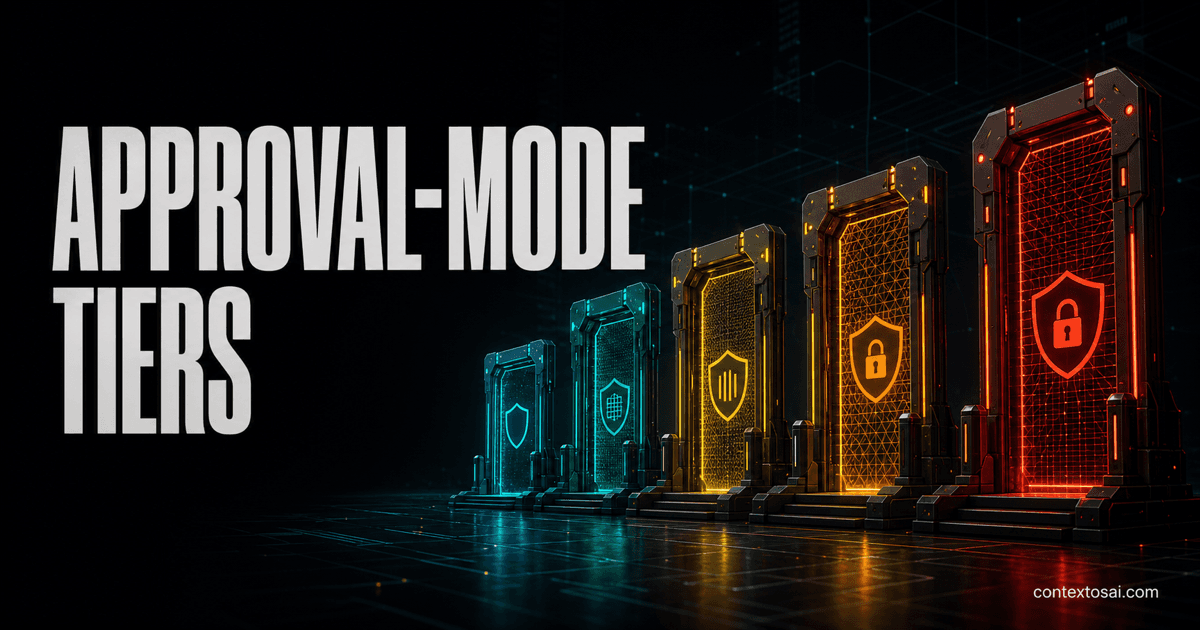
Approval-Mode Tiers: A Compatibility Taxonomy You Can Actually Ship
Why ad-hoc approval gates rot in production, how five v1 compatibility tiers improve operations, and why native ActionRisk remains multidimensional.
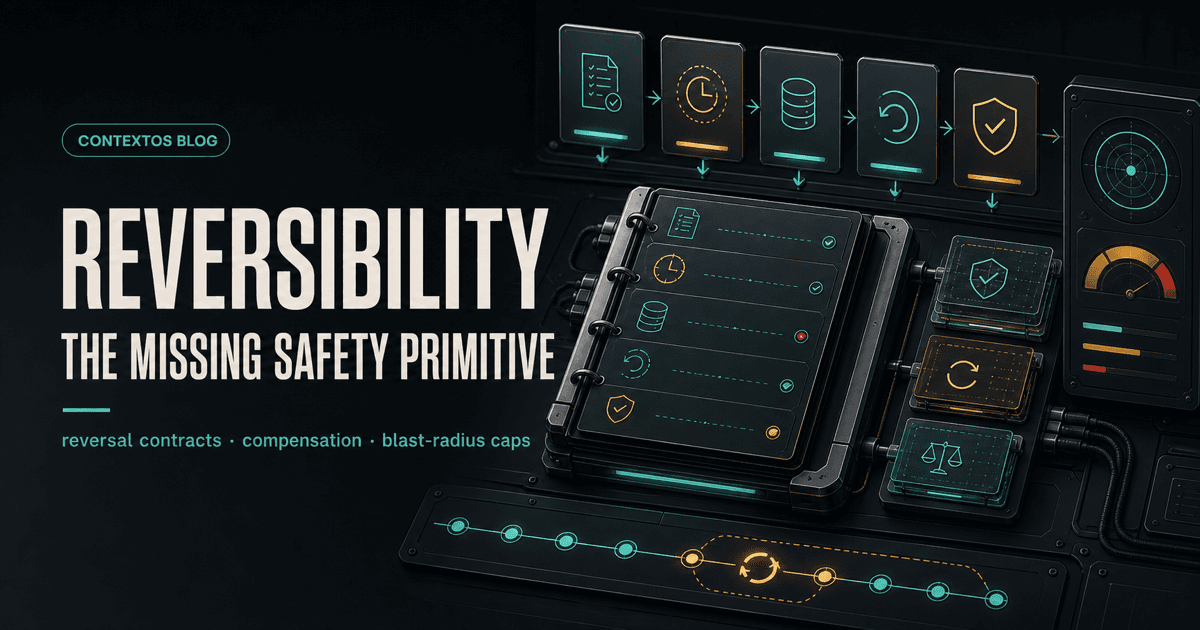
Reversibility Is the Missing Safety Primitive for AI Agents
Prevention decides whether agents may act. Reversibility lets them survive being wrong through reversal contracts, compensation, and blast-radius caps.
Memory & evidence
Owned memory, current readers, reviewed promotion and correction, retention, and deletion across known copies.
From Feature Stores to Agent Memory: What Production ML Teaches Agent Systems
Production ML lessons for agent memory: availability-time correctness, historical replay, versioned materialization, promotion, correction, and deletion across derived stores.
Agent Memory Should Be Compiled at Recall, Not Replayed From Storage
What MemHarness teaches us about reconstruction, negative transfer, source state, and compiling production agent memory against current evidence, policy, and authority.
Agent Memory Is a Systems Workload: What SelfMem Changes—and What It Does Not
SelfMem improves long-horizon recall by letting an agent optimize its memory strategy. New systems and security research shows the production contract must also cover cost, freshness, provenance, and poisoning.
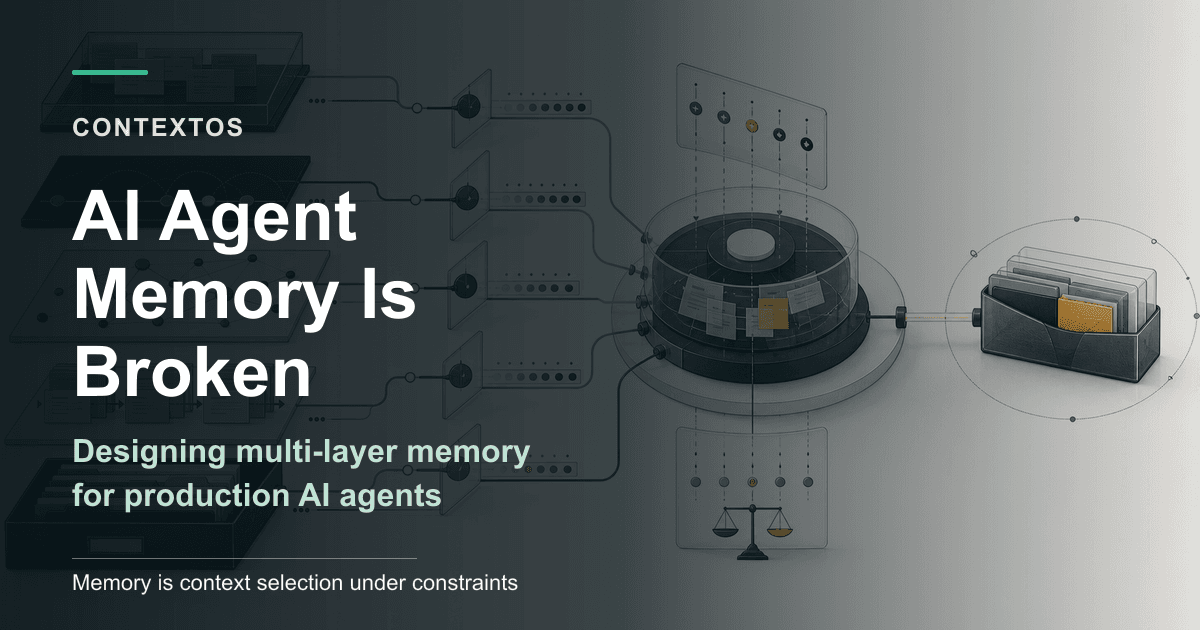
AI Agent Memory Is Broken: Designing Multi-Layer Memory for Production AI Agents
A production guide to AI agent memory architecture: designing long-term memory for AI agents across working, episodic, semantic, procedural, and organizational layers. Why RAG is not memory, why vector databases are not memory, and how governed, situation-aware memory bounds memory-poisoning risk in enterprise AI agents.
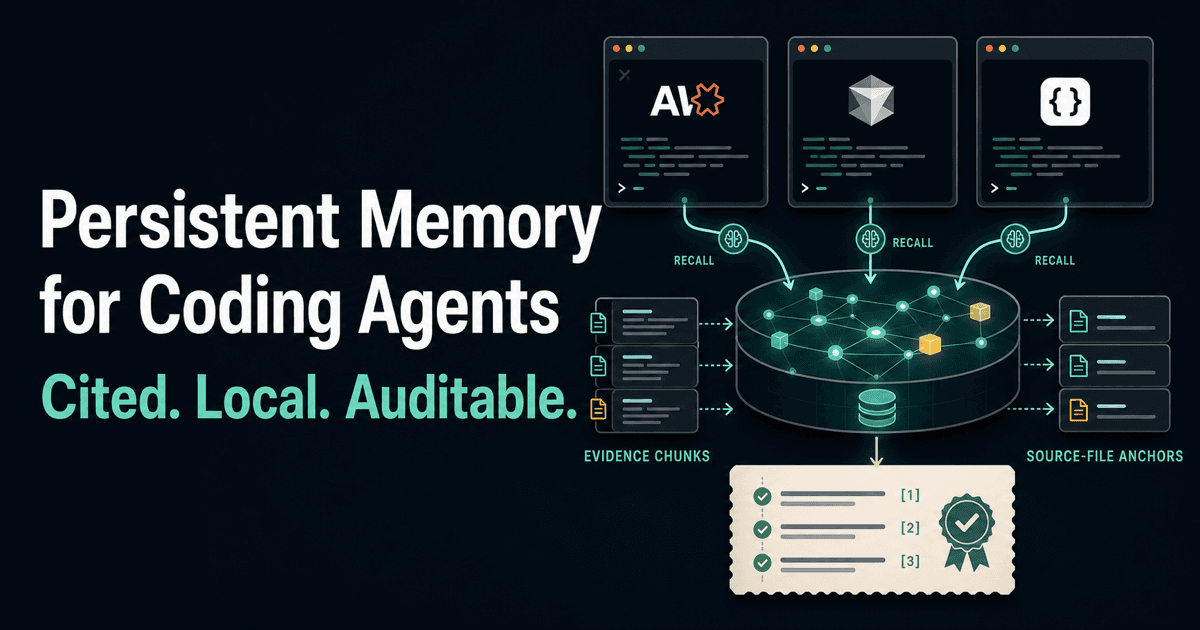
Give Claude Code, Cursor, and Codex Persistent, Auditable Memory
Coding agents are brilliant and amnesiac. SecondBrain's open-source Memory API gives Claude Code, Cursor, Codex, and ChatGPT shared, local-first memory over HTTP and MCP — where every answer carries a citation back to the source chunk.
The Identity Layer: Entity, Actor and Workload Identity
Why governed agent runs need entity identity, delegated user identity, and workload identity in the same RunContext.
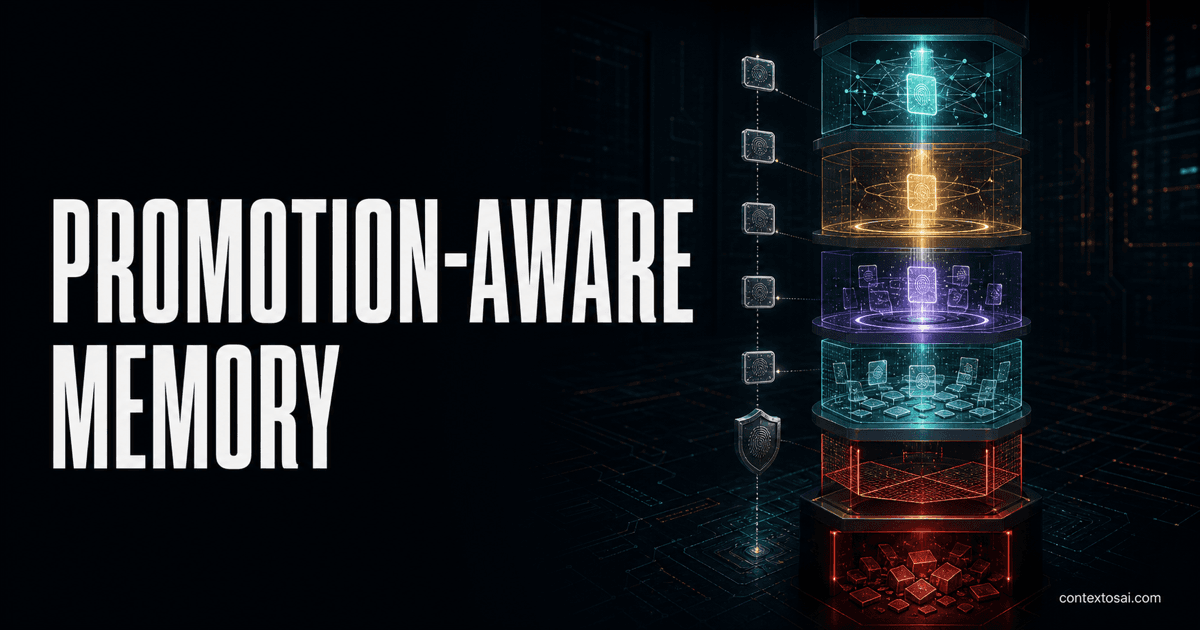
Promotion-Aware Memory: Capture, Review, Promote, Recall in Code
A code-level guide to governed memory intake, exact promotion review, authorized recall, correction and verified copy deletion.
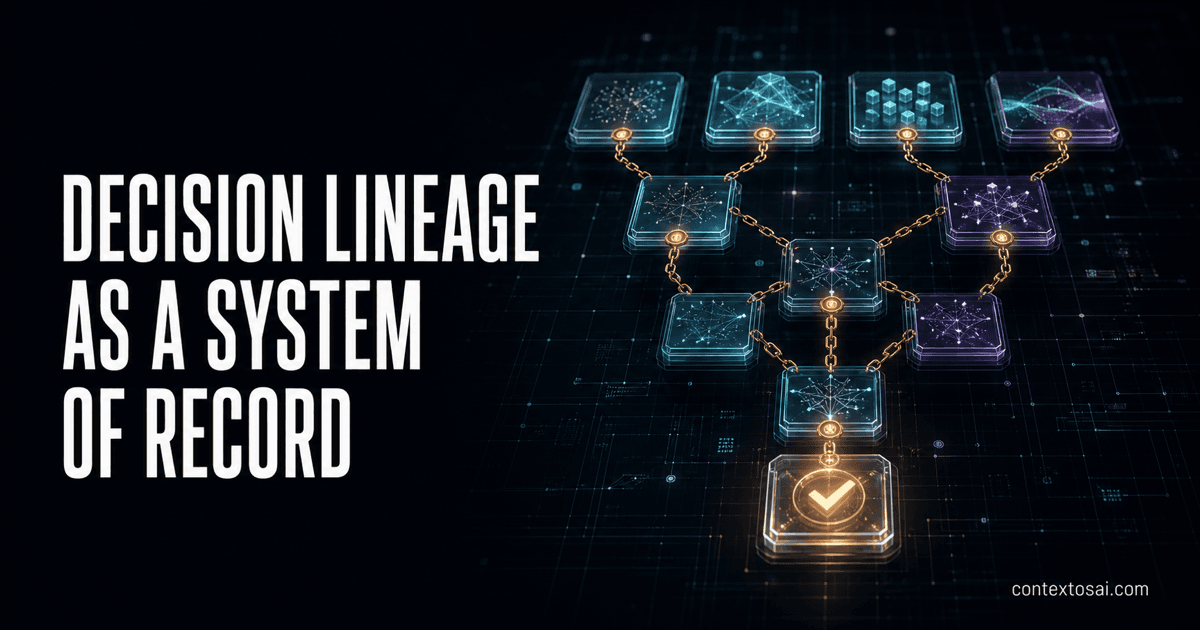
Context Graphs: Decision Lineage as a System of Record
How hash-chained DecisionRecords turn execution-time context into a queryable lineage graph for why an agent acted.
Enterprise use cases
Concrete agentic workflows for incident response, financial crime, regulated operations, data stewardship, and software delivery.
The Agentic Travel Commerce Reference Architecture
A proposed travel-agent architecture built around expiring offers, bounded purchase authority, supplier-specific booking protocols, and reconciliation after uncertain outcomes.
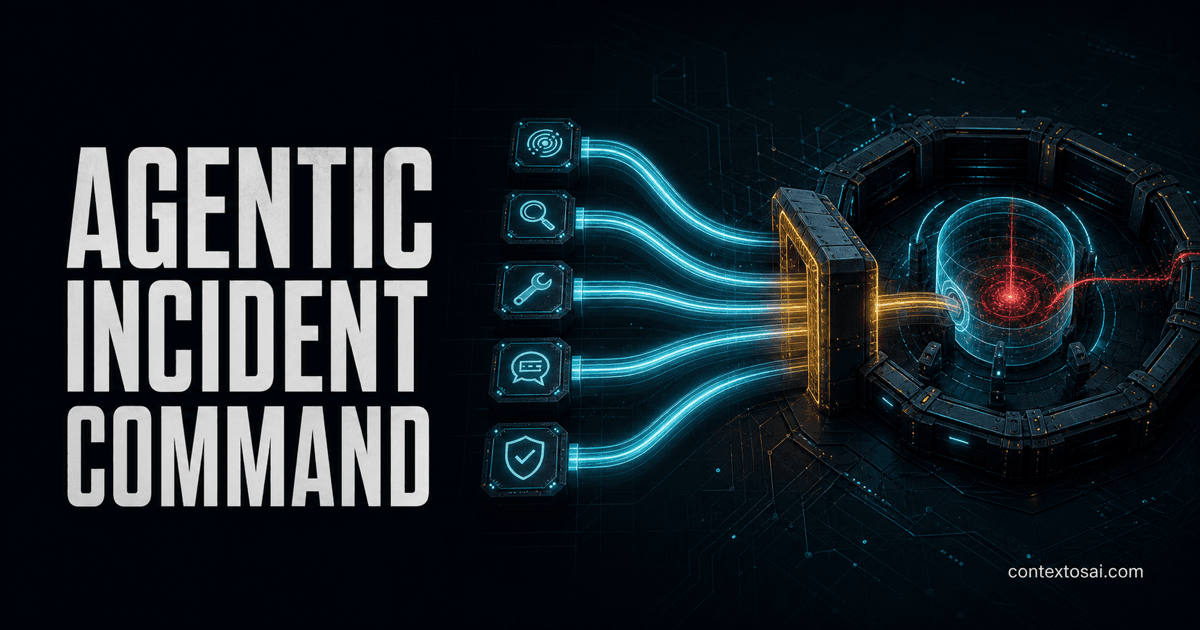
Agentic Incident Command Center: Agents Can Coordinate, Boundaries Still Decide
How incident-response agents can coordinate signal, diagnosis, remediation, communications, and approvals without bypassing operational boundaries.
Financial Crime Operations: Agentic AI Needs Evidence, Not Autonomy
How KYC, AML, sanctions, and fraud casework can use agentic workflows while preserving evidence, policy gates, and human adjudication.
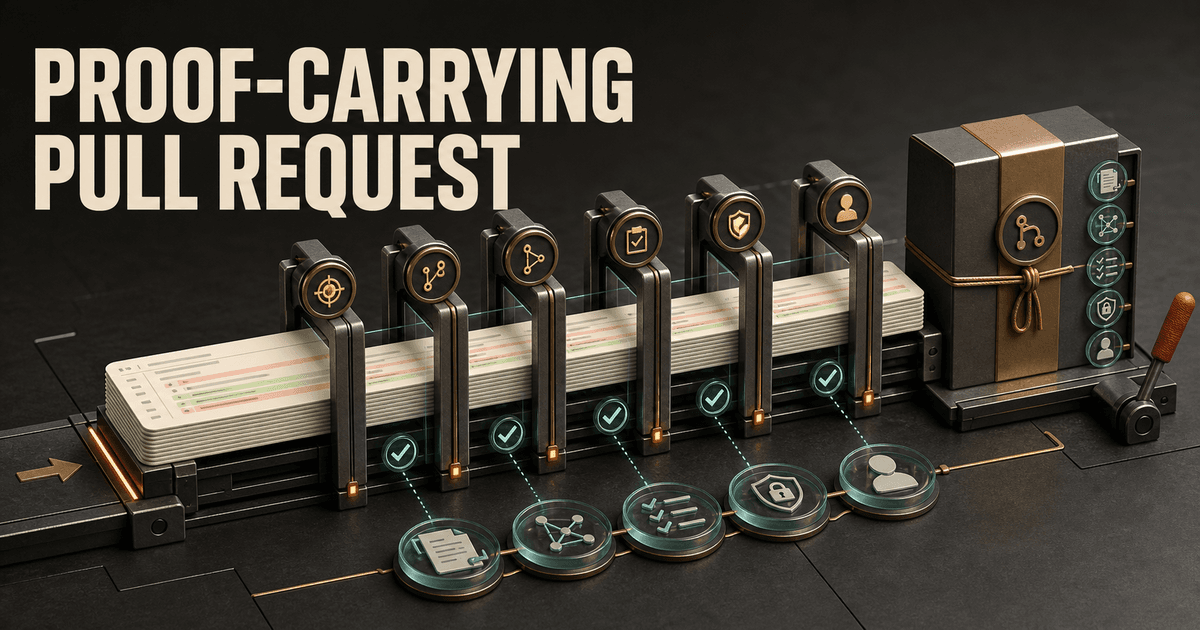
The AI Software Delivery Squad: From Ticket to Proof-Carrying Pull Request
A production blueprint for coding agents that scope, patch, test, review, and open pull requests without inheriting merge or deploy authority.
Reviewers & improvement
Reviewer agents, rollouts, operator corrections becoming versioned StrategyRules.
What Production Agent Runtimes Actually Teach ContextOS: Twelve Laws of a Governed Harness
The strongest production agent runtimes converge on twelve architectural laws: compile context, persist state, separate authority from containment, make side effects resumable, treat approvals as typed interrupts, and promote learning only through evidence and replay.
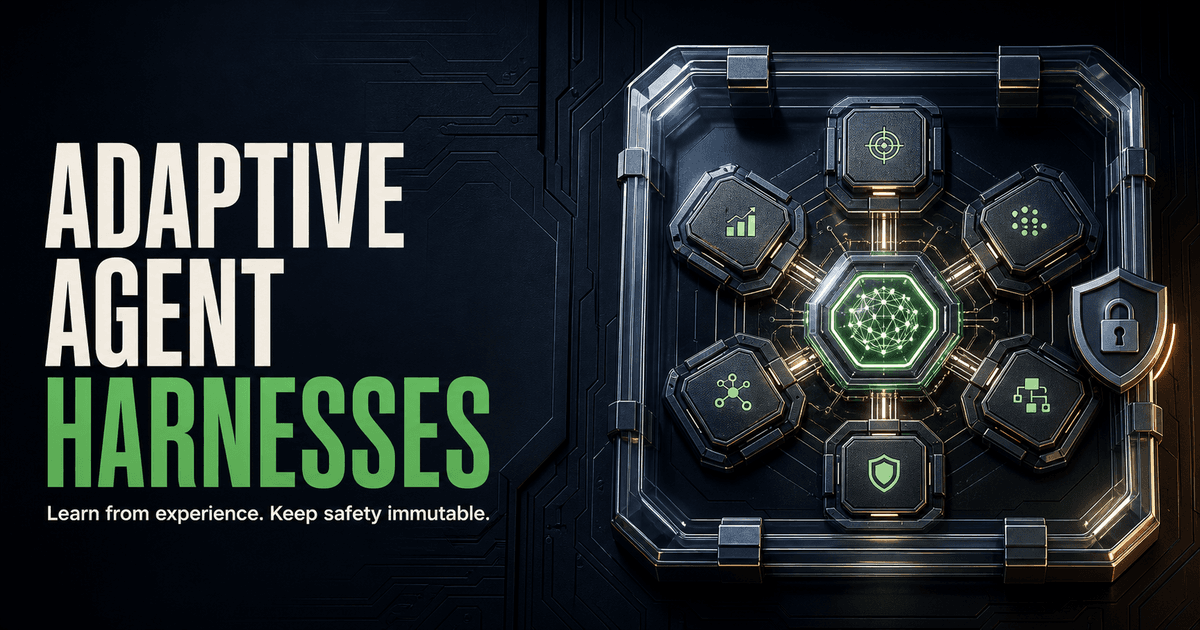
Adaptive Agent Harnesses: Learn From Experience Without Letting Production Rewrite Itself
MemoHarness shows that execution experience can improve the control layer around an LLM. Production systems need a stricter pattern: adaptive performance inside an immutable safety envelope.
Harness Improvement Loops Need Replayable Environments
Why harness improvement needs replayable episodes, bounded mutations, scorecards, source closure, and promotion gates.
Autotune the Harness: Baking the Improvement Loop into ContextOS
How ContextOS treats autotune as a gated loop over traces, scorecards, replay sets, bounded candidates, approval, and rollout.
Building a Compliance Reviewer: Typed Findings, Golden Cases and Current Evidence
Design a bounded compliance reviewer with typed findings, exact artifact bindings, useful and adversarial golden cases, and protected release decisions.
Building a Reliability Reviewer: Owned Effects, Bounded Recovery and Fault Evidence
How to extend the reviewer pattern for reliability: timeouts, retries, idempotency, fallback behavior, and rollback declarations.
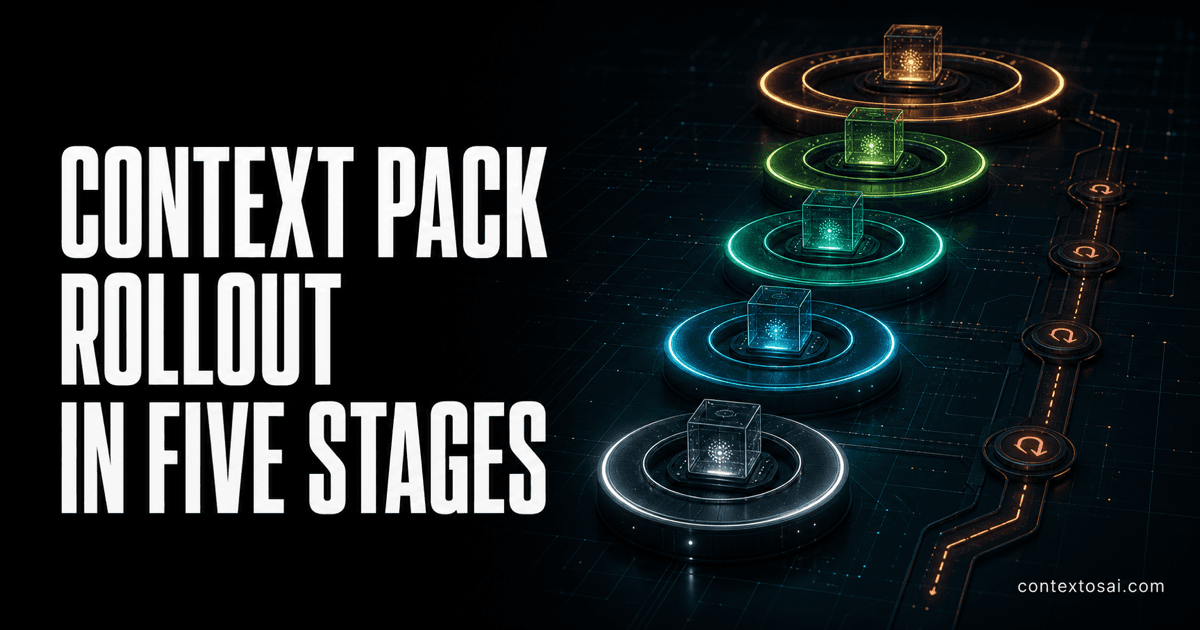
Pack Rollout in Five Stages: Shipping a Context Pack Without Blowing Up Production
A five-stage rollout model for Context Packs: shadow, internal, low-risk, monitored expansion, full release, and rollback.
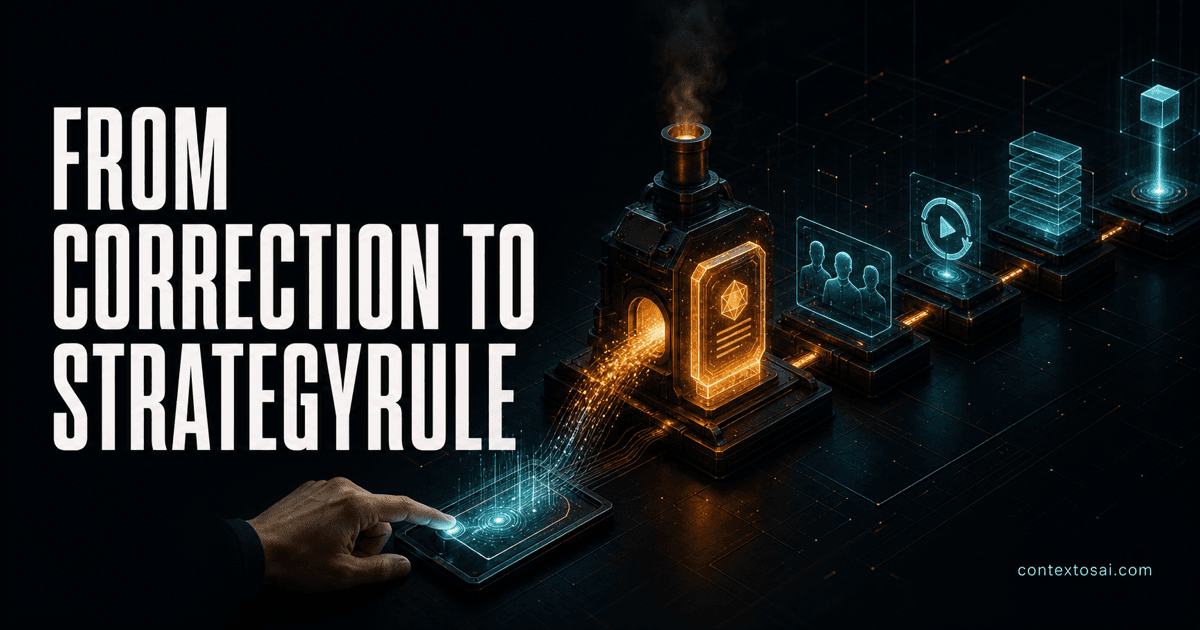
From Operator Correction to Released StrategyRule: A Governed Improvement Path
Turn eligible operator corrections into scoped candidates, held-out evidence and exact authorized releases without granting feedback authority.