Read ContextOS by job to be done
Read the essays for design reasoning and dated research. Start with the adoption guide for the current workflow path; use published schemas and explicitly normative docs for the contract.
Adopt a harness contract on one workflowFor current obligations, read the execution contract, select exact control profiles, and review deployment evidence requirements. The reference validates supplied records; deployments enforce the actual boundaries and protected state.
If you read only one path
Start with design reasoning, then verify current authority, execution boundaries and evidence for your workflow before deployment.
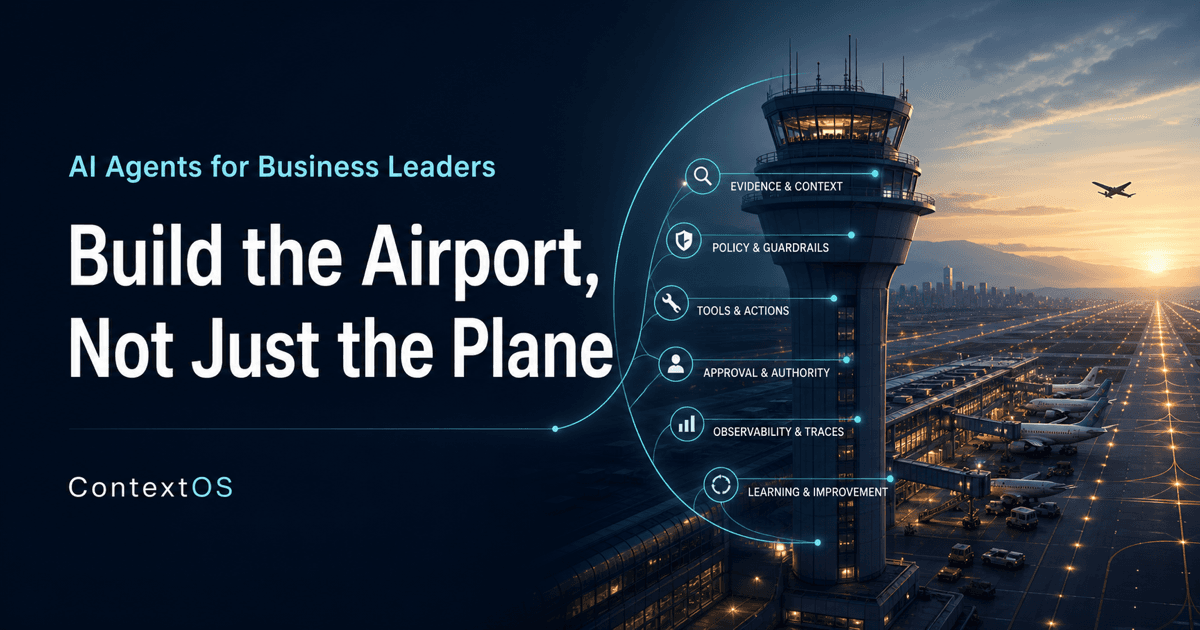
AI Agents for Business Leaders: Build the Airport, Not Just the Plane
A practical executive playbook for agentic AI: define the work, evidence, authority, scorecards, approvals, security, observability, and improvement loop.

Agentic AI Systems Before and After ContextOS
A concrete before-and-after guide to agentic AI: what context, authority, evidence, replay, and release controls change in a refund run—and what they cannot guarantee.

The Agent Harness Audit: A Production Readiness Checklist for Governed AI Agents
The original 44-control agent harness checklist, with a note on the current release-specific assurance method and evidence requirements.

End-to-End Refund: Twelve Boundaries in a Governed Reference Workflow
Trace a refund through twelve governed boundaries: exact admission and approval, current controls, owned effects, shared budgets and honest replay limits.
Most useful first shares
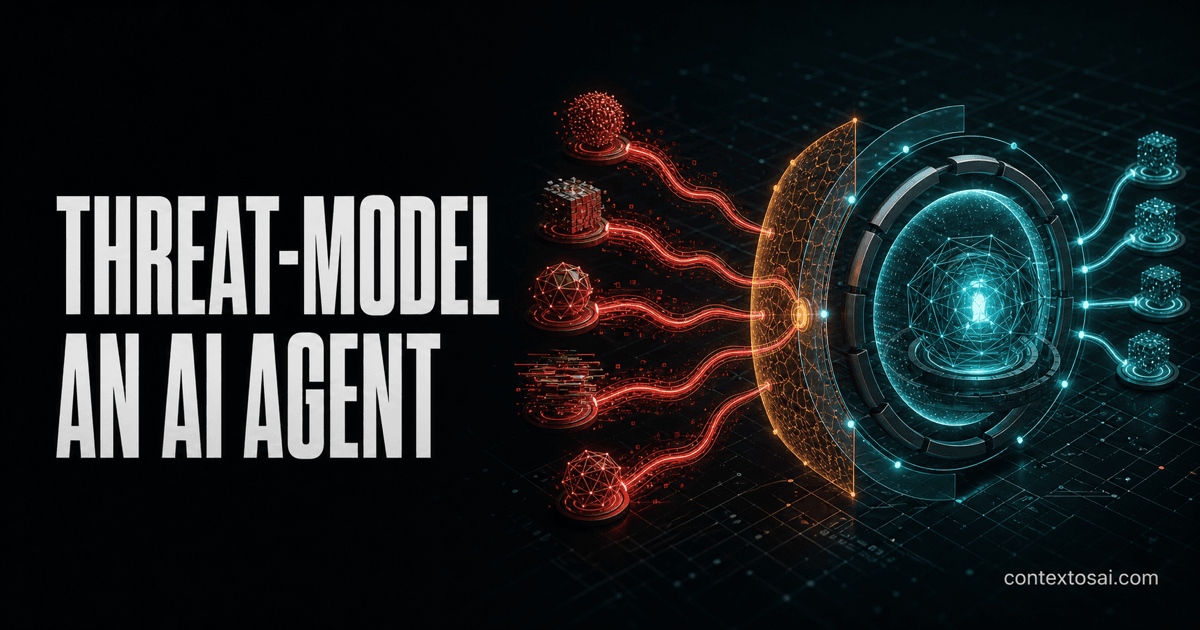
Threat-Model an AI Agent: Sources, Sinks, Authority, and Blast Radius
A practical AI agent threat-modeling method that maps untrusted sources to dangerous sinks, then constrains identity, authority, data, and blast radius at deterministic runtime boundaries.
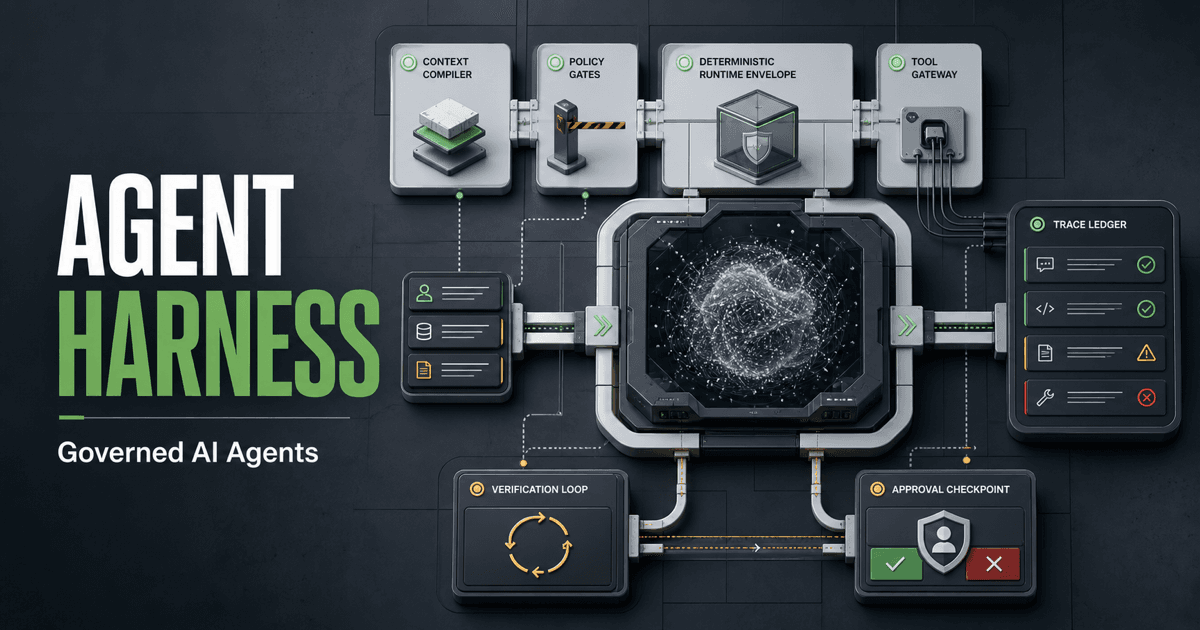
Agent Harness: An Architectural Framework for Production AI Agents
A whitepaper on typed contracts, policy gates, traces, verification loops, and release control for production AI agents.
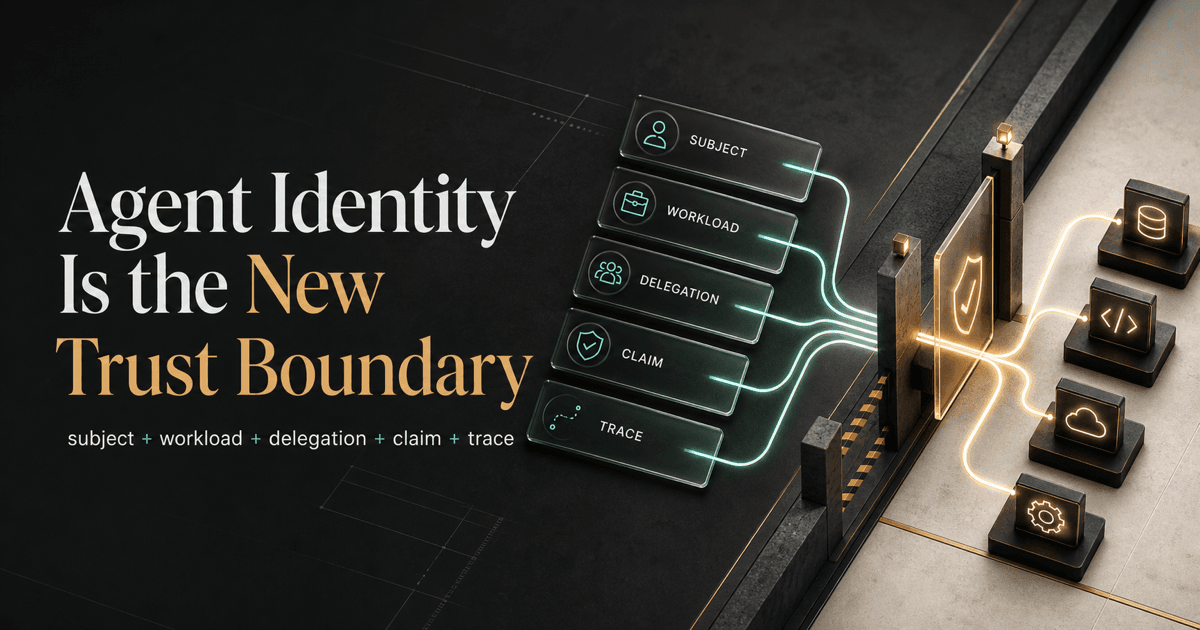
Agent Identity Is the New Trust Boundary
A practical model for separating agent identity, workload proof, user delegation, scoped authority, and audit across MCP and A2A.
The Agent Harness Audit: A Production Readiness Checklist for Governed AI Agents
The original 44-control agent harness checklist, with a note on the current release-specific assurance method and evidence requirements.
For engineering leaders
Architecture, harness quality, runtime boundaries, and the build path from prototype to governed agent.

ContextOS: A Research-Grounded Architecture for Governed Agent Runtimes
A research-grounded framing of ContextOS as the portable decision-control and evidence architecture around governed agent runtimes.
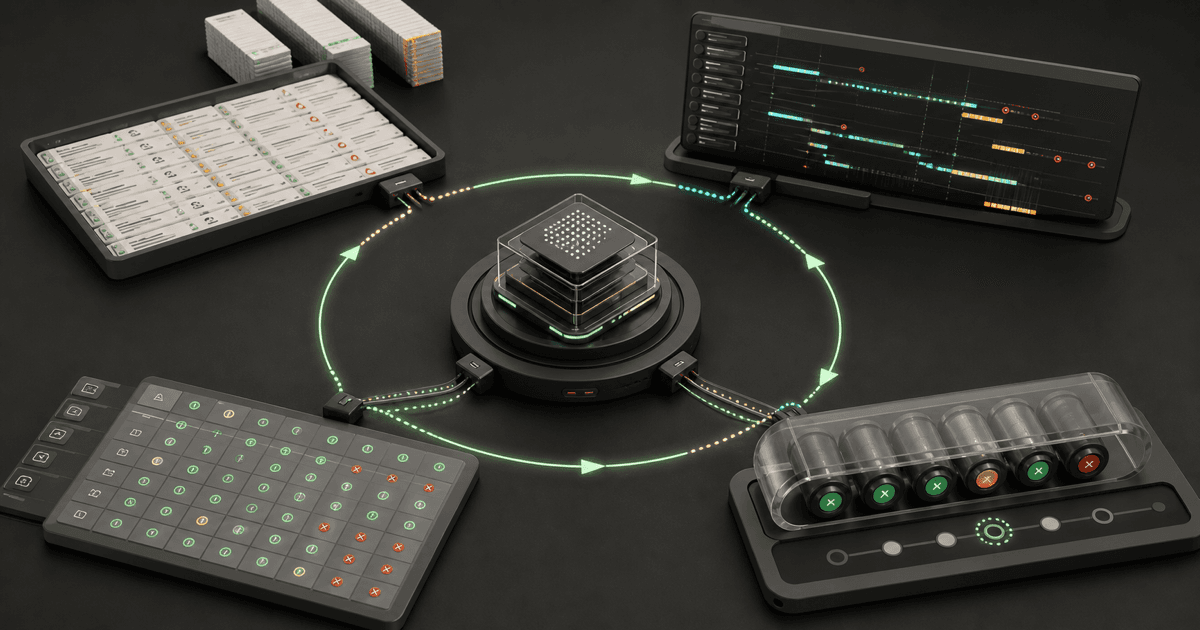
How Great AI Engineers Build Agents: Datasets, Scores, and Harnesses That Improve
Why strong AI engineers build datasets, scorecards, traces, and improvement loops instead of treating agents as prompts plus tools.
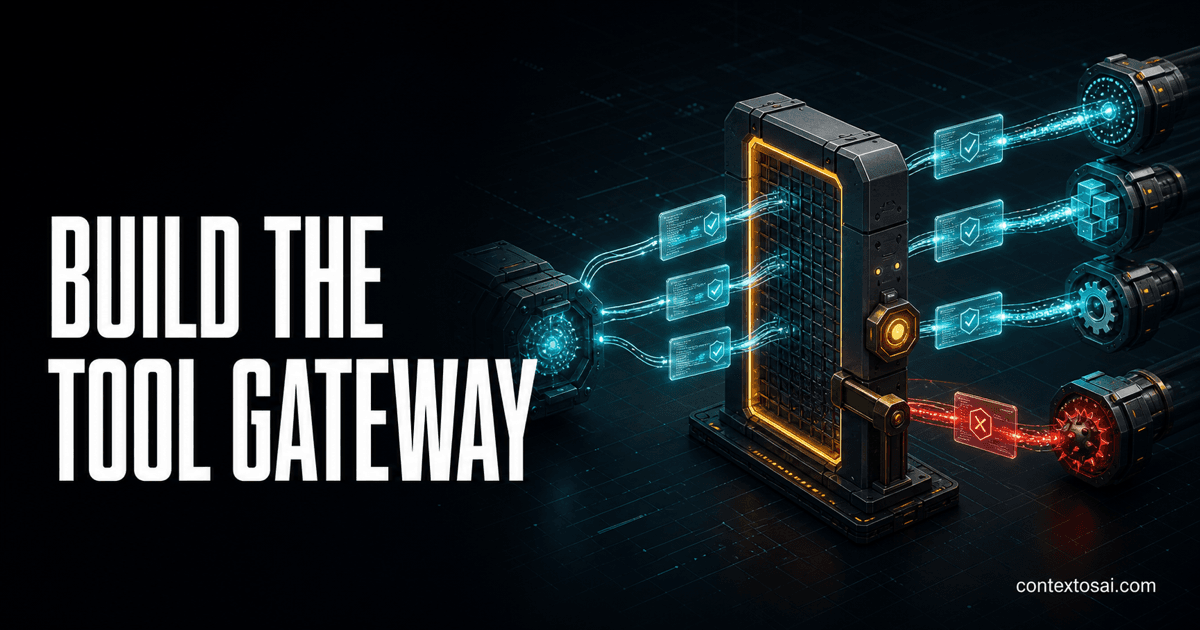
Build the Tool Gateway: The Boundary That Actually Stops a Bad Action
Build a governed tool boundary with canonical envelopes, exact authorization and approval, current enforcement observations and durable effect handling.
Build an AI Agent Replay Test with the Context Pack Compiler
Run four TypeScript tests for repeatable context compilation, tool permissions, approval thresholds, and missing evidence. Includes code and replay limitations.
For product managers
How to turn agent ideas into intents, launch gates, scorecards, trust surfaces, and operating loops.

Product Managers: How to Think About and Build Complex Agentic Systems
A practical PM guide to building agentic systems with workflow maps, intents, context packs, tools, records, evals, and rollout gates.
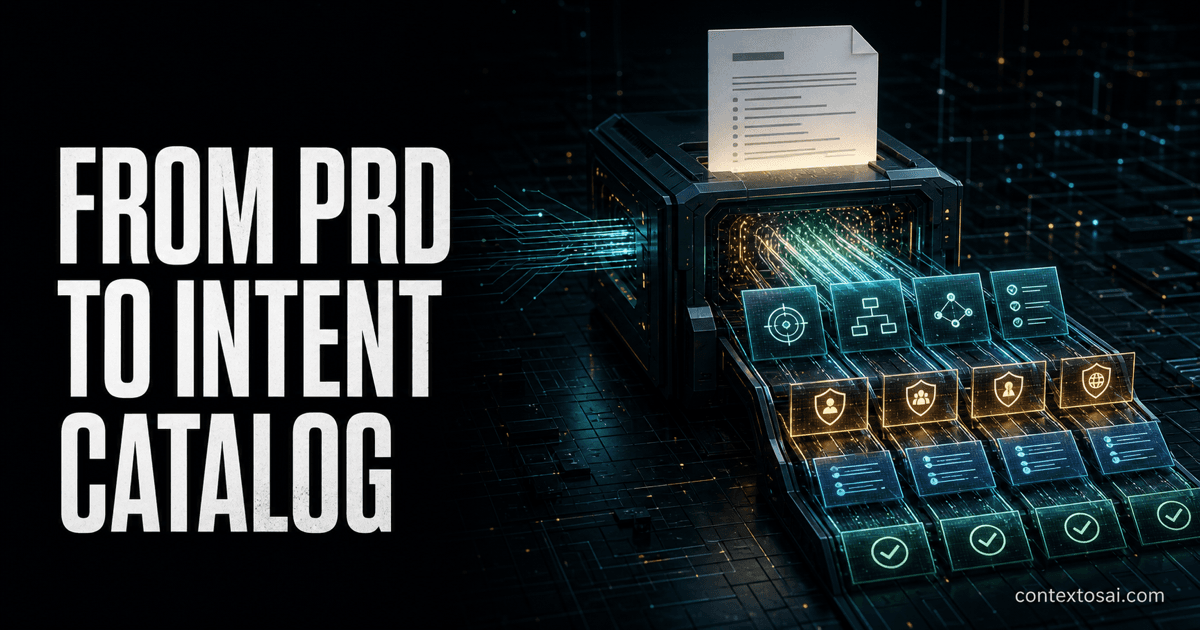
From PRD to Intent Catalog: The PM Spec for Agentic Products
How PMs turn vague agent ideas into intent catalogs, task templates, authority models, DecisionRecords, and launch criteria.
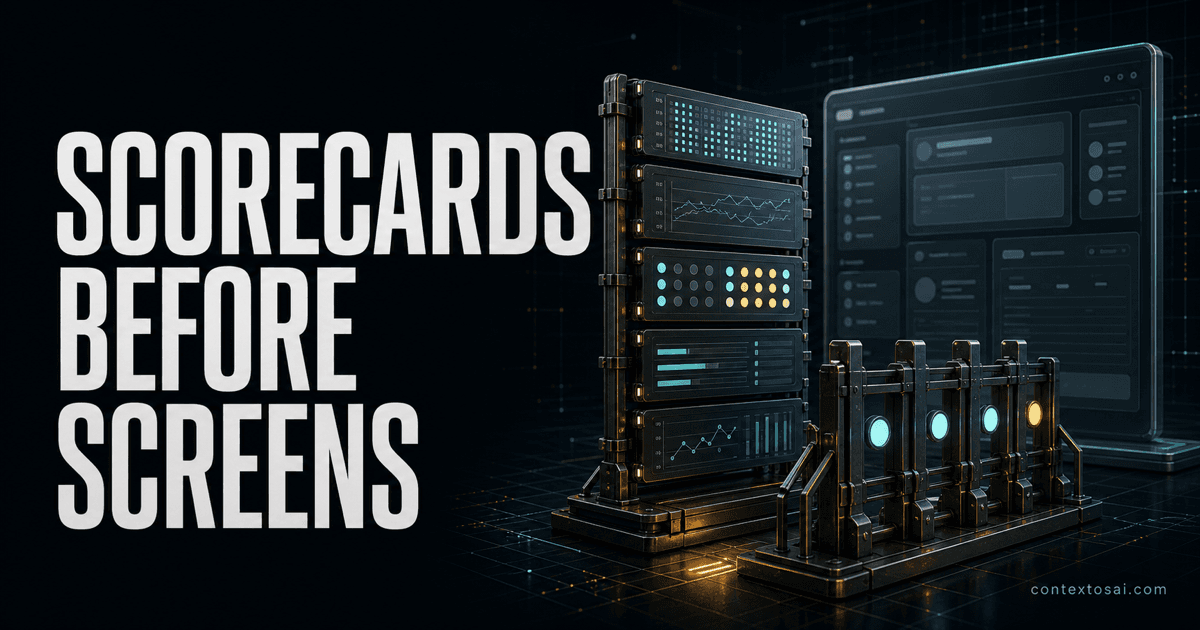
Scorecards Before Screens: Evals and Launch Gates for PMs Building Agents
A PM guide to defining agent quality with datasets, trace reviews, scorecards, release gates, and business metrics before building the agent UI.
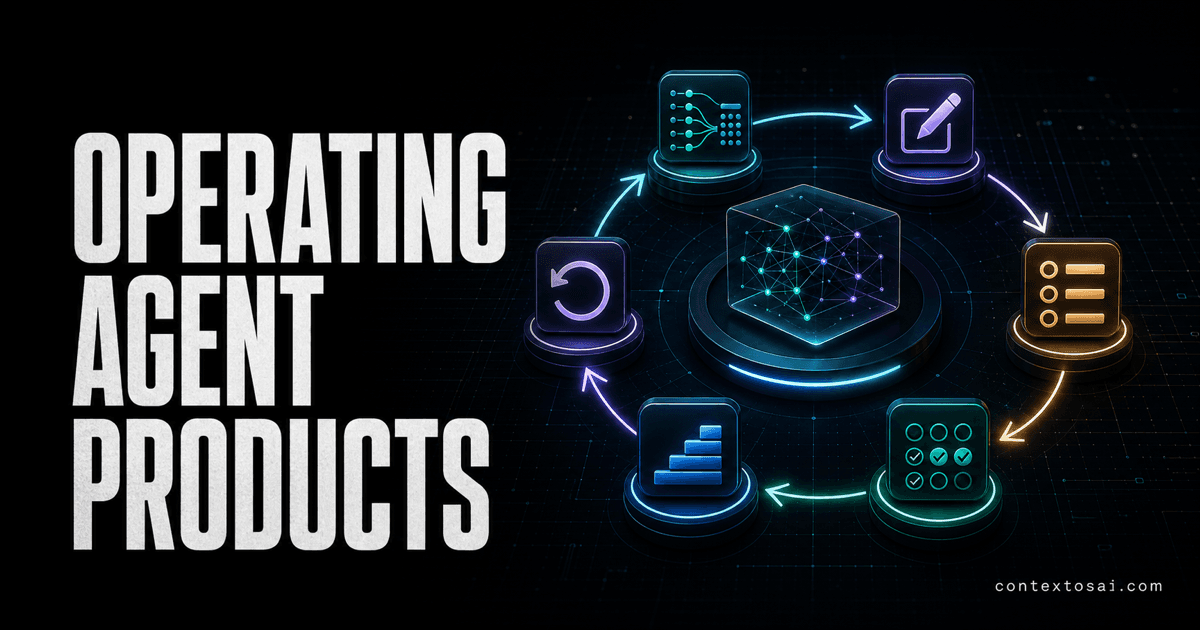
Operating Agent Products: Feedback, Rollout, and the Improvement Loop
A PM operating model for shipped agents: trace review, corrections, proposal queues, scorecards, rollout, and rollback.
For executives and operators
Plain-English mental models for authority, scorecards, approvals, and feedback after launch.
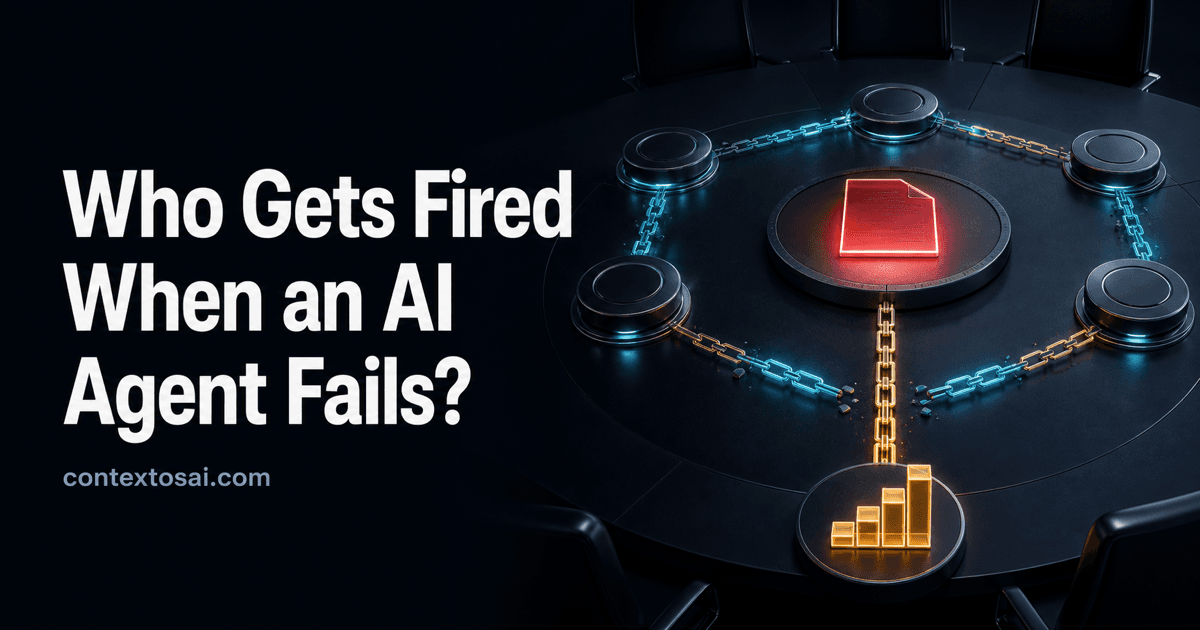
The AI Agent Accountability Matrix: Who Owns a Failed Decision?
AI agent failures cross models, tools, data, approvals, and operations. Use this accountability matrix to assign owners before the incident.
AI Agents for Business Leaders: Build the Airport, Not Just the Plane
A practical executive playbook for agentic AI: define the work, evidence, authority, scorecards, approvals, security, observability, and improvement loop.
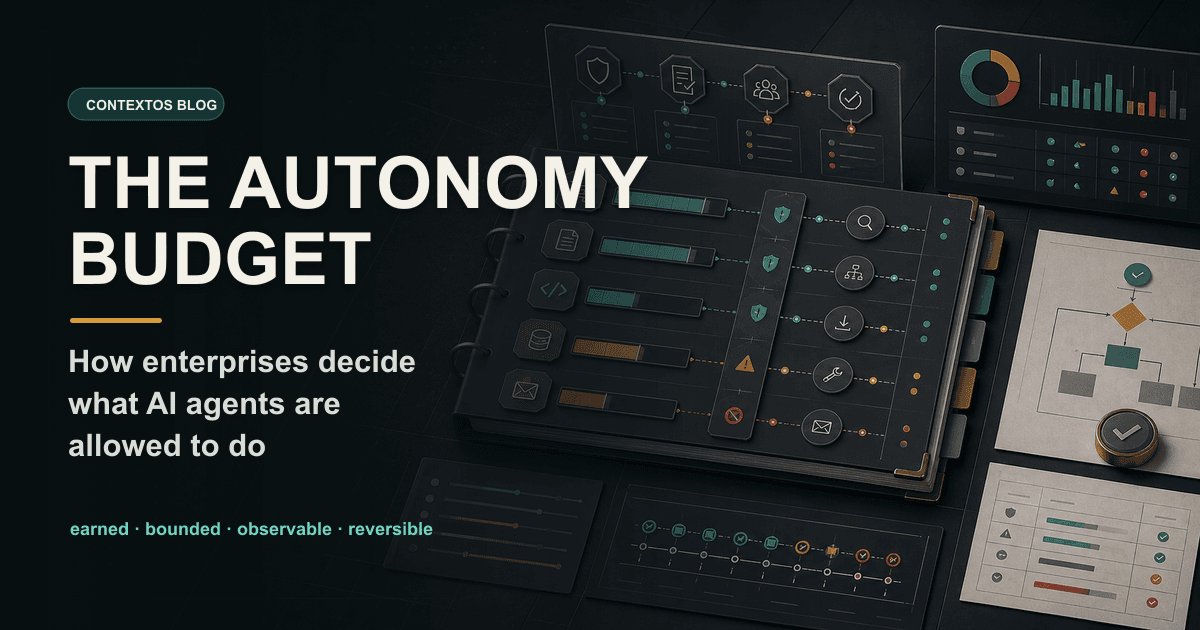
The Autonomy Budget: How Enterprises Should Decide What AI Agents Are Allowed to Do
A practical governance model for granting AI agents bounded authority based on risk, evidence, policy confidence, evals, and approval.

Trusting AI at Work: Approvals, Boundaries, and Receipts
A plain-English guide to agent trust: what AI can read, draft, send, change, approve, and how receipts make decisions accountable.
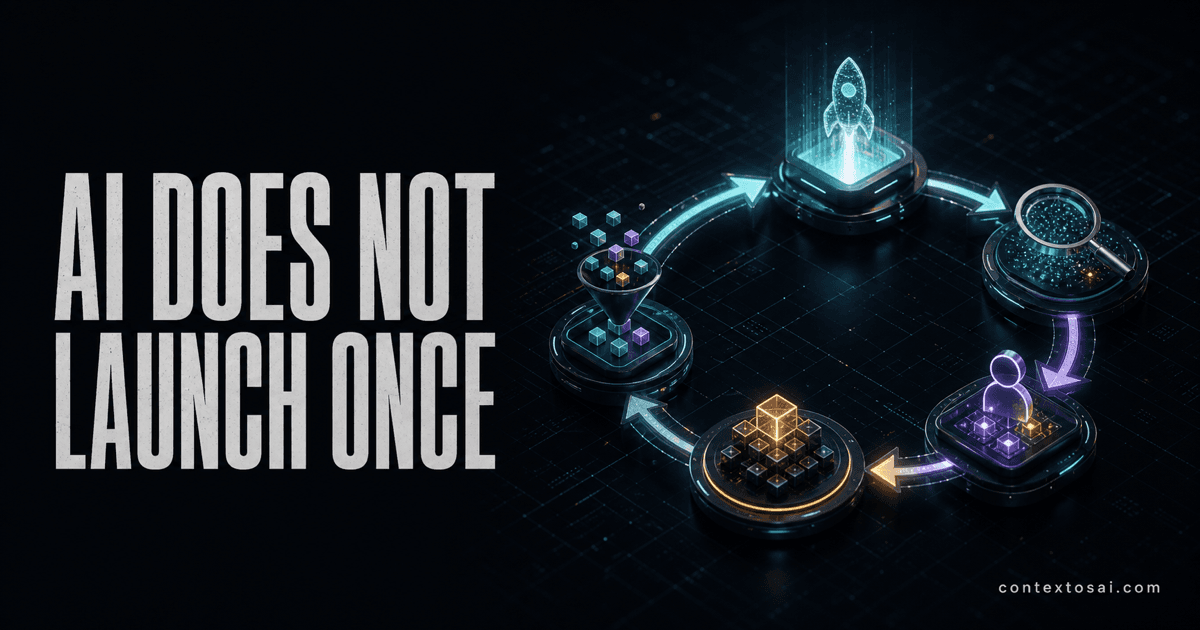
AI Does Not Launch Once: Feedback Loops After Go-Live
A plain-English guide to operating agents after launch: corrections, recurring failures, proposal queues, rollout, rollback, and review.
For security and compliance
Current authority, prompt-injection boundaries, exact approvals, active containment, and scoped audit evidence for high-authority agents.
Threat-Model an AI Agent: Sources, Sinks, Authority, and Blast Radius
A practical AI agent threat-modeling method that maps untrusted sources to dangerous sinks, then constrains identity, authority, data, and blast radius at deterministic runtime boundaries.
Agent Identity Is the New Trust Boundary
A practical model for separating agent identity, workload proof, user delegation, scoped authority, and audit across MCP and A2A.

Secure the MCP and Tool Supply Chain: Trust Must Be Continuous
MCP tool descriptions enter the agent's decision loop. Use this attack trace, control scorecard, and policy to stop metadata from becoming authority.
Red-Team Agent Hijacking: Build a Security Eval Gate for Repeat Attacks
A practical agent-hijacking evaluation harness: scenario design, adaptive and repeated attempts, path-aware metrics, deterministic release gates, and production replay.