Building the runtime
Compile, gateway, Critic, evaluators, failure handling — the per-request pipeline.
Agentic Inference: A Practical Guide to KV Cache, Scheduling, and Throughput
Why tool-using agents turn inference into a stateful memory-scheduling problem, and how to measure, design, benchmark, and roll out a better serving path.
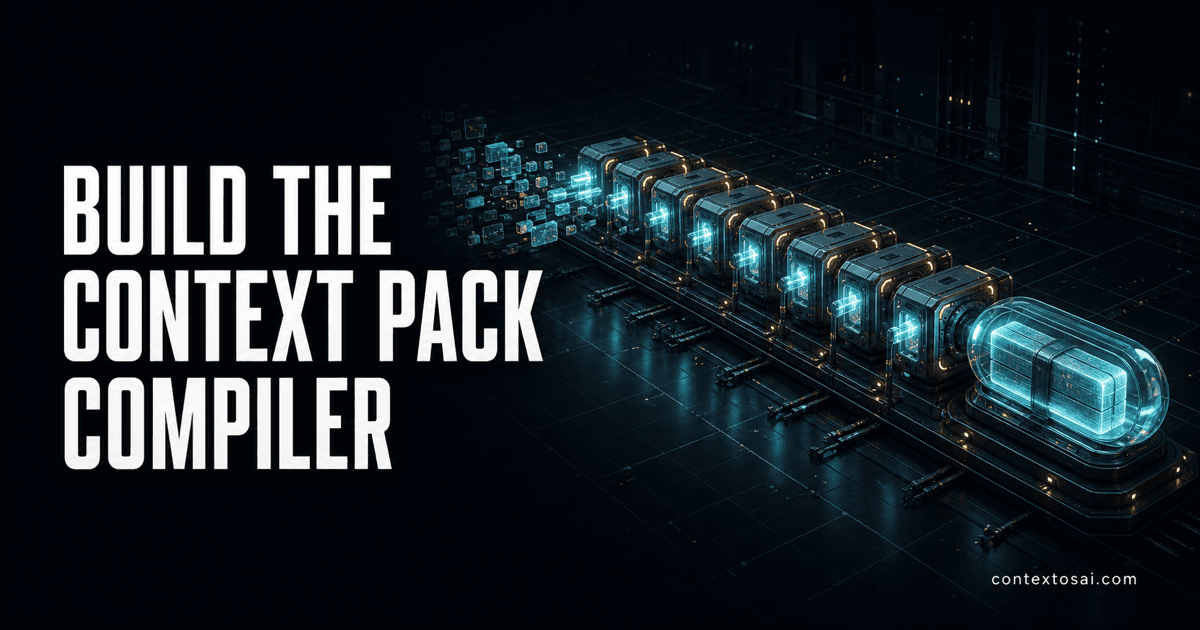
Build the Context Pack Compiler: Eight Stages, Eight Files
A build-along for the Context Pack compiler: eight deterministic stages that turn runtime inputs into a typed compiled context.
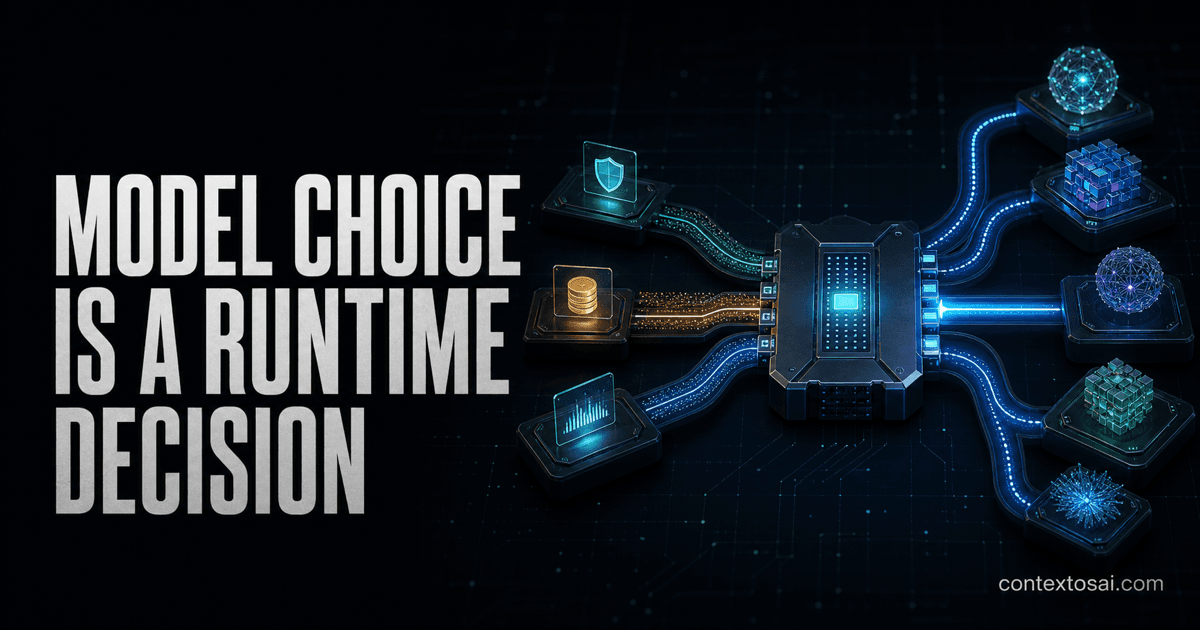
AI Gateway and LLM Router: Model Choice Is a Runtime Decision
How an AI Gateway and LLM Router make model choice policy-bound, budgeted, observable, and replayable across production agent workflows.
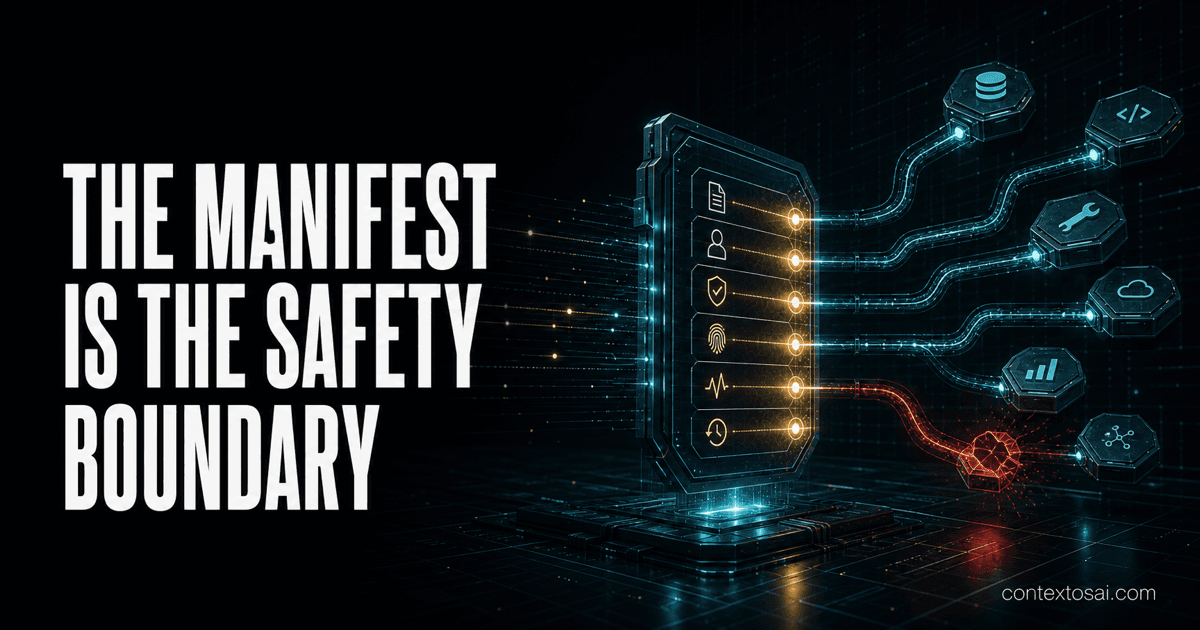
MCP Adapters in Production: The Manifest Is the Safety Boundary
How MCP 2026-07-28 fits behind a production adapter manifest with native action risk, auth, idempotency, evidence, and replay.

The Critic: verify, score, consolidate — in 80 Lines
A compact Critic implementation that verifies plans, scores outcomes, consolidates results, and records caveats.

Wiring the Five Evaluators: Policy, Utility, Latency, Safety, Cost
A build-along for wiring policy, utility, latency, safety, and cost evaluators into a release-gated scorecard.
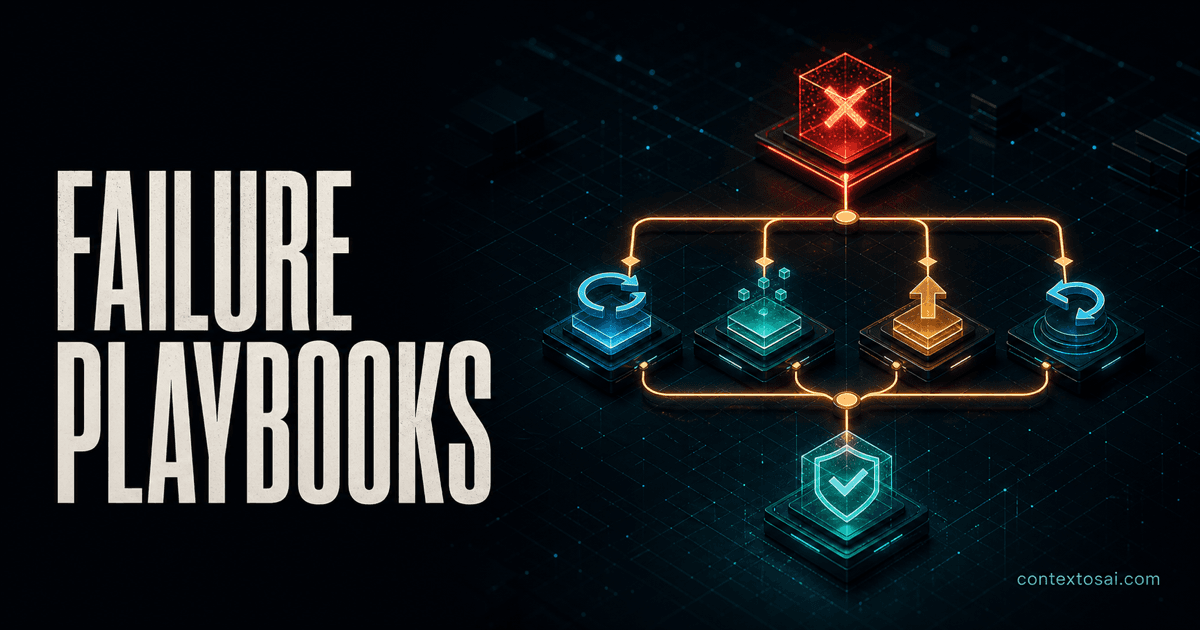
Failure Playbooks: The Typed Verdict Map
How to replace generic retry loops with typed failure verdicts, compensations, escalation paths, and reversal-token checks.