AI literacy series
Mental models for business leaders, domain experts, and operators learning how to think about real agentic systems.
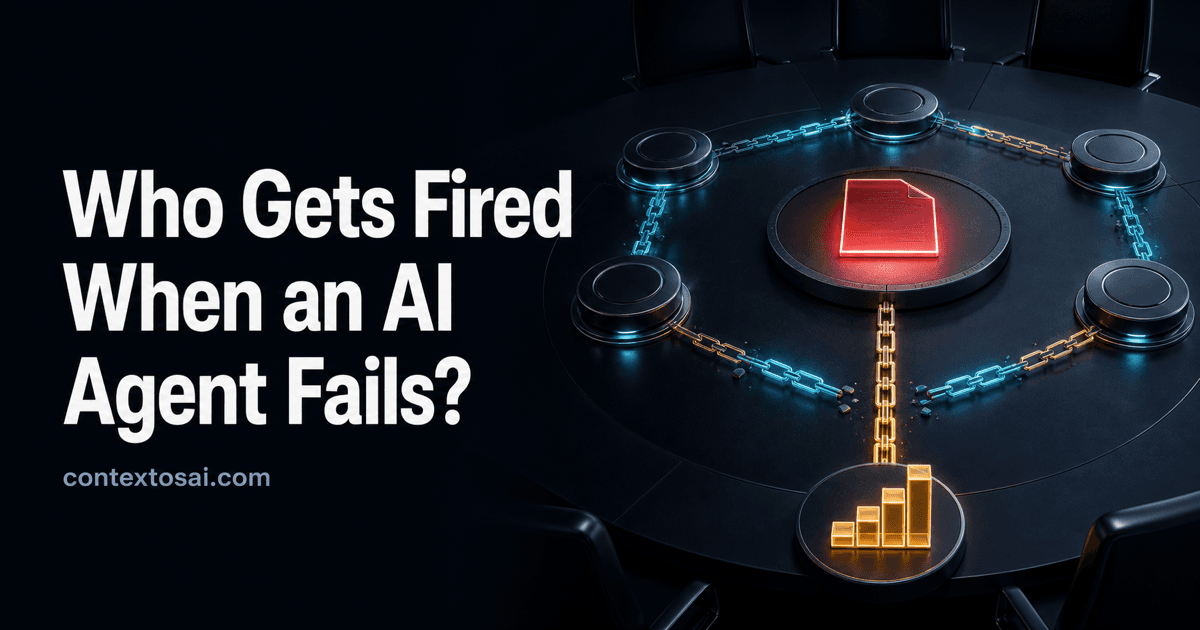
The AI Agent Accountability Matrix: Who Owns a Failed Decision?
AI agent failures cross models, tools, data, approvals, and operations. Use this accountability matrix to assign owners before the incident.
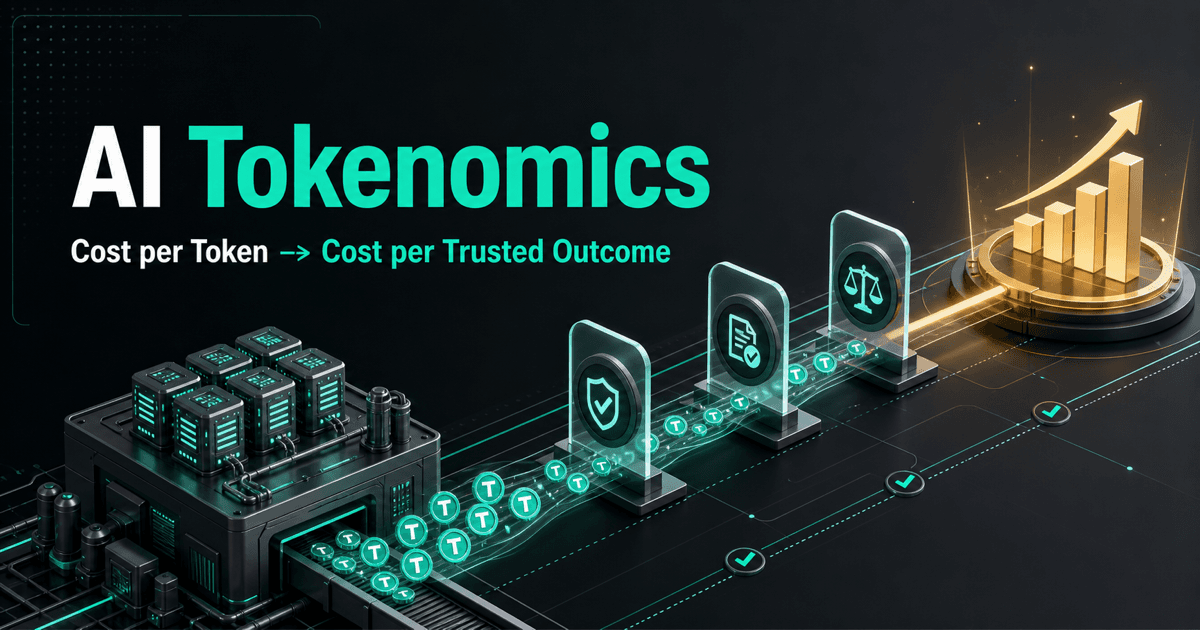
AI Tokenomics: From Cost per Token to Cost per Trusted Outcome
AI tokenomics connects cost per token, agentic cost multipliers, routing, evals, governance, and cost per trusted outcome.
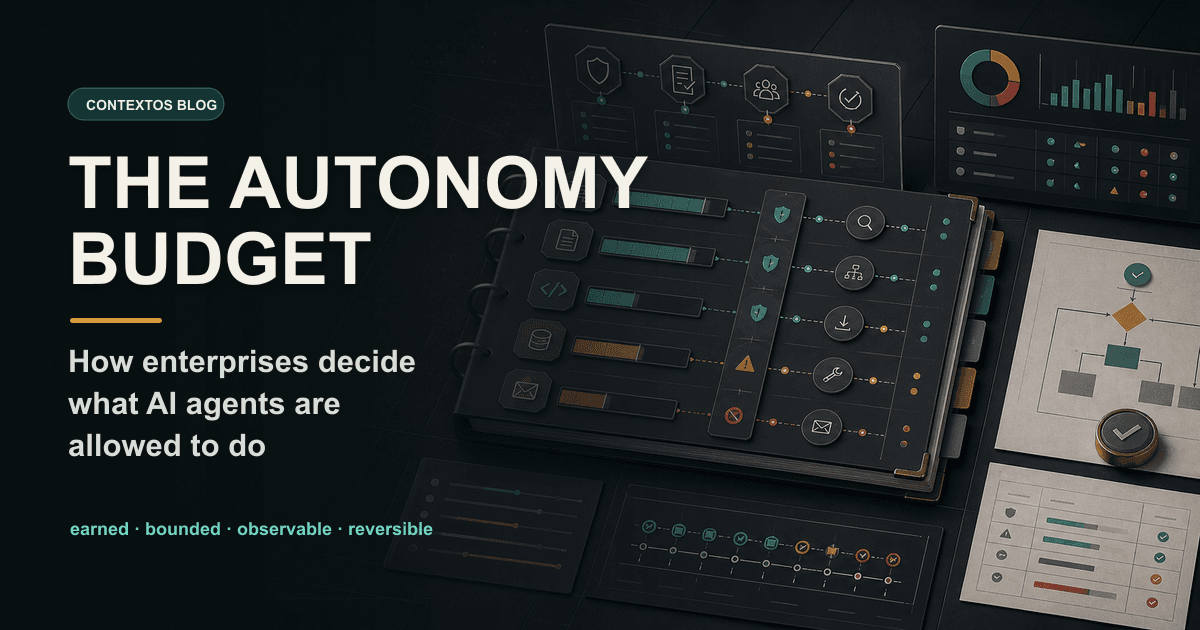
The Autonomy Budget: How Enterprises Should Decide What AI Agents Are Allowed to Do
A practical governance model for granting AI agents bounded authority based on risk, evidence, policy confidence, evals, and approval.

AI Agents for Business Leaders: Build the Airport, Not Just the Plane
A practical executive playbook for agentic AI: define the work, evidence, authority, scorecards, approvals, security, observability, and improvement loop.

Before Your Team Asks for an AI Agent, Map the Real Work
A practical guide for business teams mapping real work before building agents: actors, evidence, tools, decisions, risks, exceptions, and feedback loops.

Trusting AI at Work: Approvals, Boundaries, and Receipts
A plain-English guide to agent trust: what AI can read, draft, send, change, approve, and how receipts make decisions accountable.

How to Judge AI Work: Scorecards, Not Vibes
A practical guide for business teams evaluating AI agents with scorecards, examples, traces, human corrections, and launch gates instead of demos and vibes.

AI Does Not Launch Once: Feedback Loops After Go-Live
A plain-English guide to operating agents after launch: corrections, recurring failures, proposal queues, rollout, rollback, and review.