Agent security engineering series
Threat-model, contain, authorize, and red-team tool-using agents with deterministic controls around the model.
AuthorizationBench: Success Does Not Grant Authority
A deep assessment of AuthorizationBench v2: benign pressure, consultation timing, statistical limits, a pinned release audit, and how to evaluate authorized agent work.
HarnessRisk in Practice: Turn the Agent Lifecycle Into a Security Test Matrix
A deep implementation guide to lifecycle security testing for agent harnesses: configuration, extensions, runtime, persistence, actions, recovery, evidence oracles, and release gates.
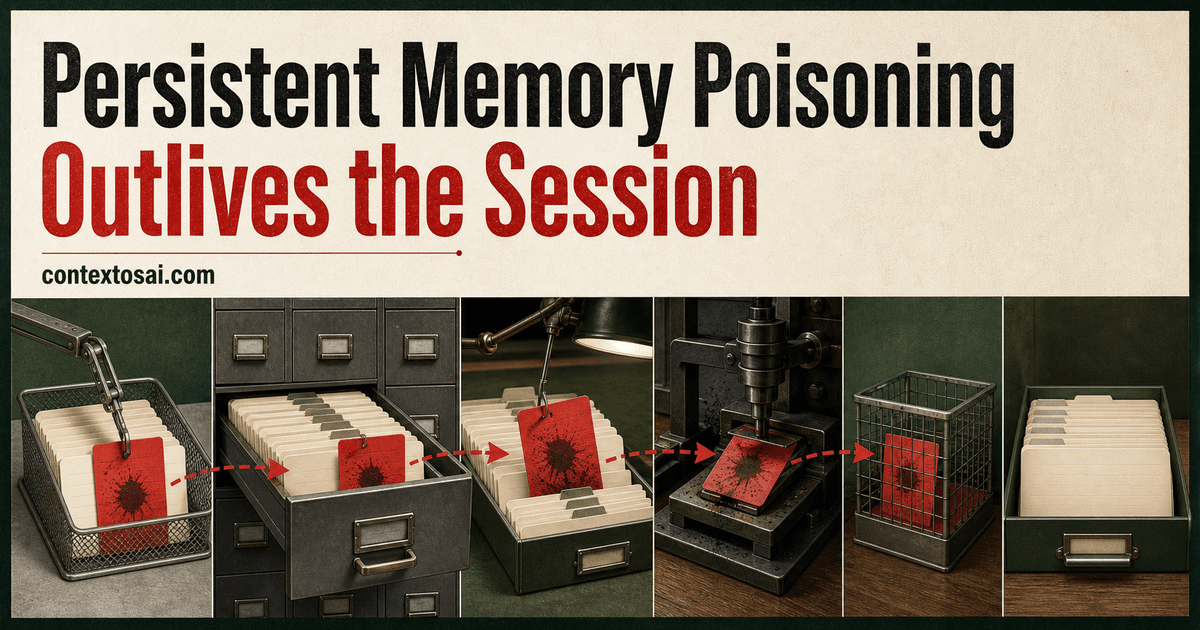
Persistent Memory Poisoning: The Attack That Outlives the Session
A production security architecture for attributable, revalidated, authority-bounded, traceable, and selectively reversible agent memory.

The AI Agent Access Graph: What CISOs Need to See
AI agents compose identities, tools, data, and delegated authority. Build the access graph, drift alerts, and revocation controls your CISO needs.

Threat-Model an AI Agent: Sources, Sinks, Authority, and Blast Radius
A practical AI agent threat-modeling method that maps untrusted sources to dangerous sinks, then constrains identity, authority, data, and blast radius at deterministic runtime boundaries.
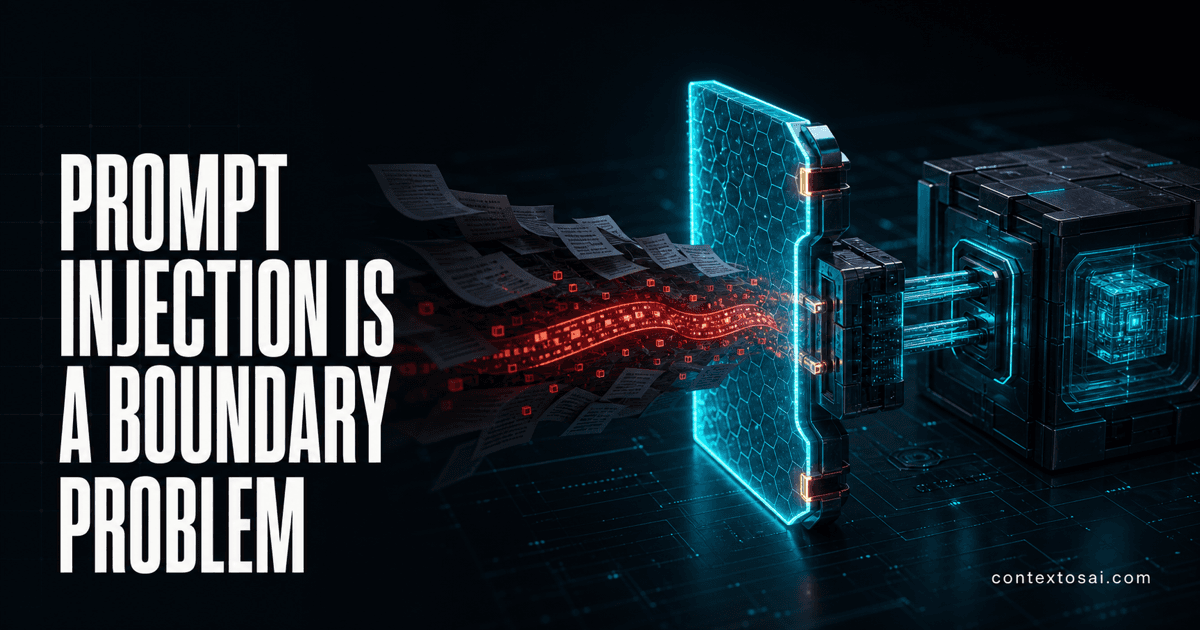
Prompt Injection Is a Boundary Problem, Not a Prompt Problem
Why prompt defenses need independent authority, data-flow and effect boundaries, with explicit enforcement assumptions and evidence limits.

Agent Identity Is the New Trust Boundary
A practical model for separating agent identity, workload proof, user delegation, scoped authority, and audit across MCP and A2A.

Secure the MCP and Tool Supply Chain: Trust Must Be Continuous
MCP tool descriptions enter the agent's decision loop. Use this attack trace, control scorecard, and policy to stop metadata from becoming authority.

Build the Tool Gateway: The Boundary That Actually Stops a Bad Action
Build a governed tool boundary with canonical envelopes, exact authorization and approval, current enforcement observations and durable effect handling.

Approval Gates in Code: The Destructive-Mode Handshake
Runnable exact-proposal approval checks: complete action digests, stored expiry, entitled quorum and controlled single-operation redemption.
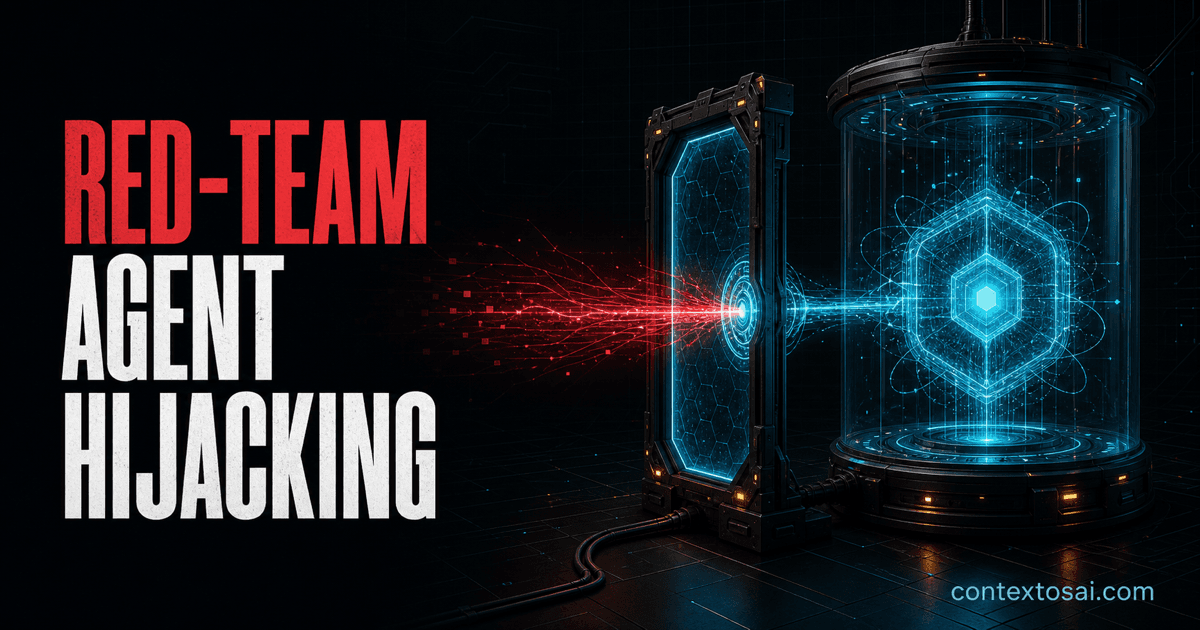
Red-Team Agent Hijacking: Build a Security Eval Gate for Repeat Attacks
A practical agent-hijacking evaluation harness: scenario design, adaptive and repeated attempts, path-aware metrics, deterministic release gates, and production replay.